
Support our independent tech coverage. Chrome Unboxed is written by real people, for real people—not search algorithms. Join Chrome Unboxed Plus for just $2 a month to get an ad-free experience, access to our private Discord, and more. Learn more about membership here.
START FREE TRIAL (MONTHLY)START FREE TRIAL (ANNUAL)
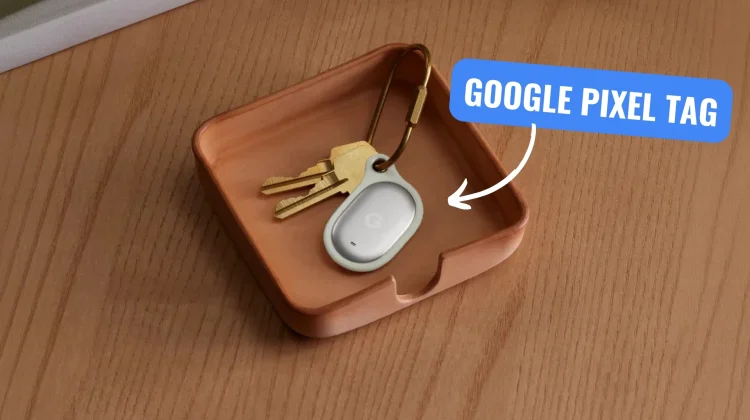
After more than two years of refining the Find Hub network, Google has finally decided it is time to make its own tracker. The company just unveiled the Google Pixel Tag, its first-party device tracker, launching on November 11 for $29 (or $99 for a four-pack).
And these tags are a welcome addition for any Android user out there who has struggled to find a solid tracker. If you recall, the launch of the Find Hub (originally Find My Device) network was a bit rocky, so like many of you, I decided to save myself the headache and went with a few Tile Trackers. After one of those finally bit the dust, I decided to give the Find Hub a try and picked up a Pebblebee wallet tracker and tag.
But after looking at the spec sheet for this new Pixel Tag, it looks like Google has packed in enough solid upgrades that I am ready to pick up a four-pack when they become available. Here is why this little tag has piqued my interest.
True precision with UWB and Channel Sounding
The biggest frustration I’ve had with my current Pebblebee setup is the lack of true precision finding. Because third-party tags generally lack Ultra-Wideband (UWB) chips, you have to rely entirely on audio beeps and vague signal-strength circles on your phone screen to find something stuffed under a couch cushion.

The Pixel Tag completely fixes this. It combines UWB with a new technology called Bluetooth 6.0 Channel Sounding. If you have a compatible phone (like a Pixel 6 Pro or newer, or the upcoming Pixel 11 series), the Find Hub app will now display exact directional arrows and precise distance measurements down to the inch. If you drop your keys in the house, your phone will physically point you right to them.
Two-way tracking
The other feature that sold me is the two-way tracking button. The Pixel Tag features a physical button that you can press to ring your connected phone. This is a feature that I love on my Pixel Watch, and having that same capability on my keyring or inside my wallet is a nice touch.
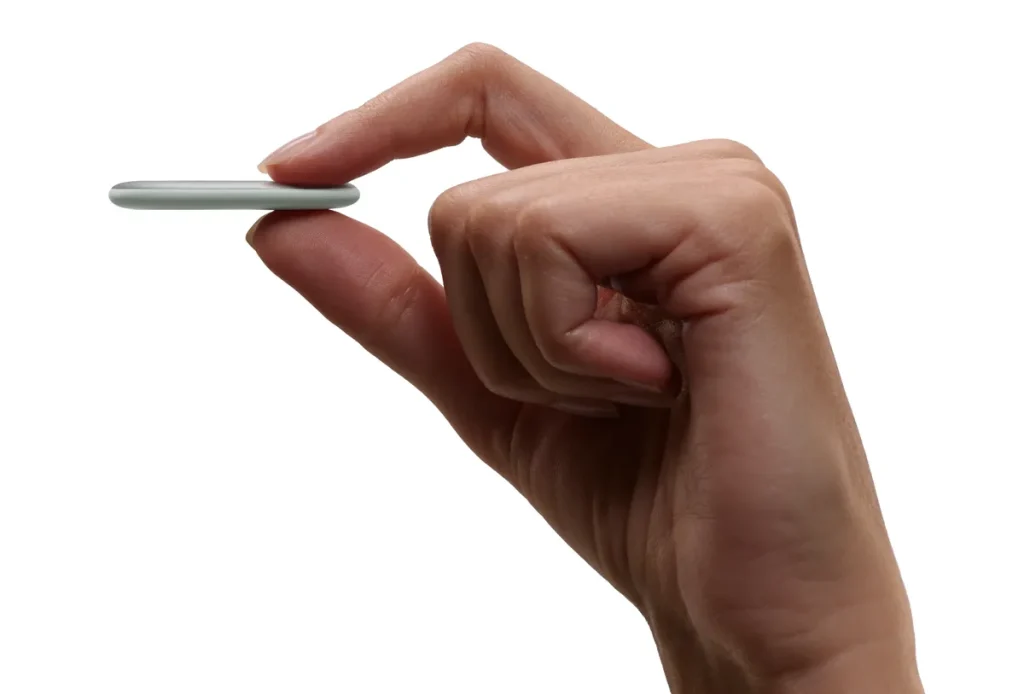
On the hardware front, Google went with a sleek, pill-shaped stainless steel design in a grayish color they are calling “Fog.” It is IP67 water and dust resistant, weighs just 12 grams, and uses a standard, user-replaceable CR2032 coin battery that is rated to last over a year. The only minor downside is that, much like an AirTag, there is no built-in hole for a keyring, so you will need to buy a separate accessory to clip it to your bags or keys.
Deep ecosystem integration
Because this is a first-party Google device, the ecosystem integration is fantastic. It supports Fast Pair for instant setup, allows you to share the tag’s location with up to 10 other people (perfect for shared car keys or luggage), and includes proactive “Left Behind” alerts.
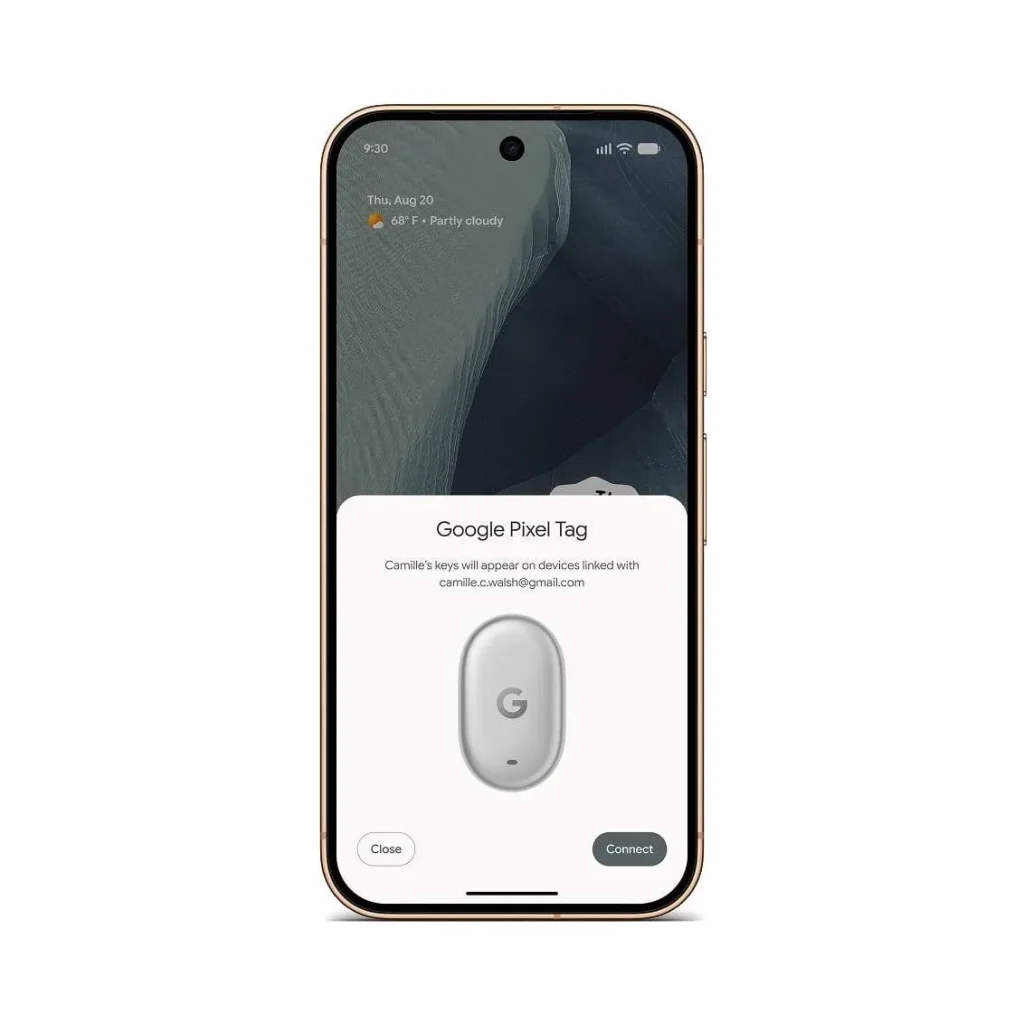
You aren’t just limited to your phone, either. You can locate and ring the tag right from your Pixel Watch, or even ask Gemini through your Pixel Buds to ring the tag for you hands-free.
Finding a spot in my everyday carry
I will point out, though, that I am going to keep my Pebblebee wallet tracker for now, simply because I carry a very slim wallet. But depending on the size of what you carry, the Pixel Tag’s relatively thin 5.4mm design means it could easily slip into some wallets without creating too much bulk. Maybe down the road Google will introduce a dedicated wallet tracker, but as someone who has a tendency to misplace my wallet, I have to stick with my current wallet setup.
But the beauty of this ecosystem is that since the Pebblebee is already built for the Find Hub, all my trackers will still show up together in the exact same app. For now, I am planning on swapping out the Pebblebee tag in my everyday backpack with the new Pixel Tag to take advantage of that UWB precision, and I am genuinely excited to find some other applications for the other three that come in the four-pack.
At $29, Google is pricing this perfectly in line with the competition while offering significantly better tracking tech for the Android ecosystem. It’s a solid pitch, honestly, and it feels like the complete hardware package Android users have been waiting for. I will definitely be picking up a four-pack when they hit the Google Store in November!
SUBSCRIBE TO UPSTREAM
Get Chrome Unboxed delivered straight to your inbox
Upstream is our flagship, curated newsletter with the top stories, most click-worthy deals, giveaways, and trending articles from Chrome Unboxed sent directly to your inbox a few times a week. Join 31,000+ subscribers.

