
Support our independent tech coverage. Chrome Unboxed is written by real people, for real people—not search algorithms. Join Chrome Unboxed Plus for just $2 a month to get an ad-free experience, access to our private Discord, and more. Learn more about membership here.
START FREE TRIAL (MONTHLY)START FREE TRIAL (ANNUAL)
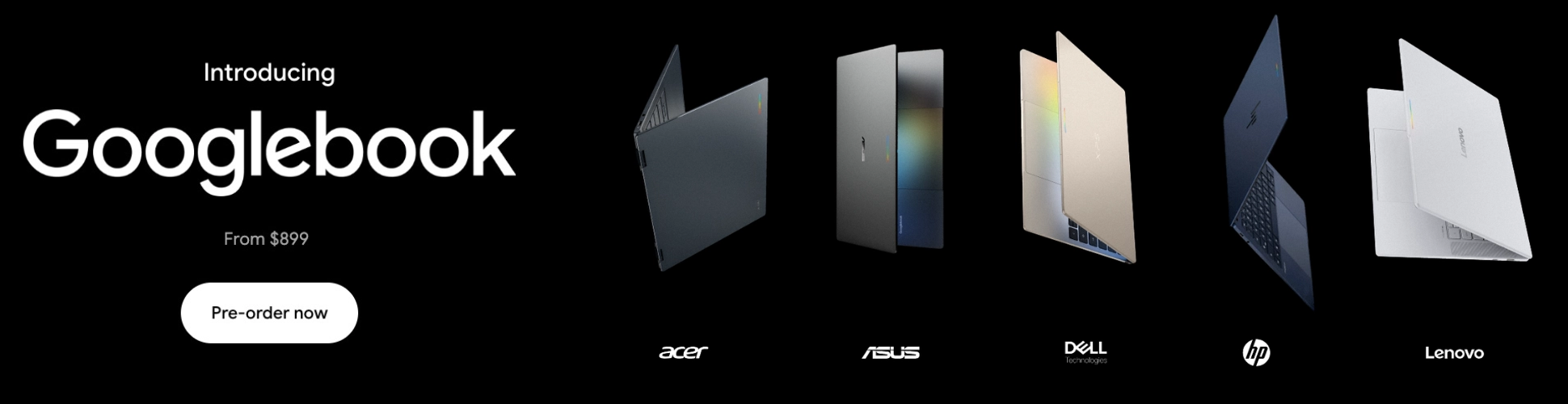
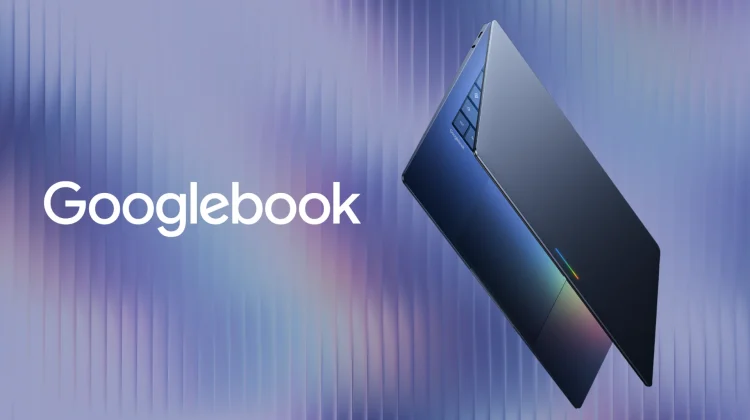
We are officially just over two weeks away from Google’s in-person media event in New York City, where we will finally get our hands on the first retail Googlebook laptops from Lenovo, HP, Dell, Acer, and Asus.
We know a good portion of the hardware specs. We know most (if not all of) the launch board codenames. We know the Glow Bar will be front and center. We know AI and Gemini are at the core of the experience. We even know quite a few software features like Magic Pointer, AI widgets, Continue On, and Cast My Apps that will be on board.
Yet, as we sit on the doorstep of a massive change in Google’s consumer laptop computing strategy, one fundamental question remains completely unanswered: What is Google actually calling the operating system?
It is genuinely wild that an entirely new laptop category is ready to roll off assembly lines, and yet Google has managed to keep the public-facing branding of the underlying OS completely under wraps.
Moving beyond “Aluminium OS”
For the better part of a year, the entire tech community has leaned on the internal project name for the Android-based operating system under the hood: Aluminium OS.
It made sense as a working title. It was spotted in early Google job listings, it fit the classic Google naming schema (Chromium, Titanium, Aluminium), and it served as a clean shorthand for the project merging ChromeOS desktop principles with an Android 17 foundation.
However, Google confirmed earlier this summer that “Aluminium” was strictly an internal development codename and will not be the consumer-facing name on the box. John Maletis told us as much in our early interview with him, though he wasn’t ready to spill the beans on what that OS would be called.
With Chromebooks, the messaging was clean and unified: Chromebooks run ChromeOS. With Googlebook, we know the hardware name, but the software running on remains a total mystery. But we have a few thoughts on what it could be called.
Android and Google hardware branding
If you’ve watched Google’s consumer hardware marketing from their latest Pixel event, you’ve probably noticed a glaring trend: Google is barely saying the word “Android” anymore with regard to their hardware. They aren’t hiding it by any means, but Android is not the branding focus by any stretch of the imagination.
Instead, Android as a prominent, featured brand has been pushed quietly into the background as the spotlight has been aggressively shifted to “Gemini Intelligence.” Google wants consumers thinking about contextual AI agents, seamless assistant integration, and fluid productivity instead of the name of the underlying framework beneath.
Because of that shift alone, it feels very unlikely that Google will stick a giant Android or Android Desktop logo on retail store shelves next to Windows 11 and macOS. I’m not saying it won’t happen, but I’d bet against it.
If not Android, then what?
So, what are some of the actual candidates for the branding of the OS that will be on the box for Googlebook? There are a few distinct paths Google could take when the keynote starts on September 15, and I’m sure our ideas here aren’t all of the possibilities available by a long stretch:
- “Googlebook – Powered by Gemini Intelligence”: Leaning fully into the AI-first era, Google could bypass an “OS” moniker altogether. The software identity becomes Gemini Intelligence itself, framing the laptop as an ambient AI computing environment that happens to run your desktop browser and Android apps. This is probably my #1 bet at this point.
- “Google OS”: The most direct, minimalist play would be Google OS. If the hardware is a Googlebook, calling the unified platform Google OS establishes instant brand recognition for everyday shoppers who just want a simple, clean alternative to Apple and Microsoft. And it directly follows what they did with Chromebook and ChromeOS.
- “Android PC / Android Desktop”: The more practical, developer-friendly option of Android PC or Android Desktop tells users exactly what app ecosystem to expect, but it risks carrying over old baggage and misconceptions about mobile apps on larger screens and sounds dated and clunky to me. I hope they choose against this option.
- The Dual-Branded Hardware Standard: Google might treat “Googlebook” the same way Microsoft treats Windows PC, where the name Googlebook represents both the hardware tier and the curated software experience, with the OS simply referred to as the Googlebook platform. Again, I feel this could be confusing and I hope this isn’t the case.
We’ll find out in New York
Holding back the official software branding all the way to a closed-door media preview is a definitely an interesting play, but it hopefully is an example of just how much thought is being put into how this platform that is being marketed to everyday consumers.
Whatever name Google reveals on stage at the rapidly-approaching September 15th press event, the mission for the OS remains the same: deliver lightning-fast desktop Chrome productivity, native Android execution without container lag, and unmatched battery efficiency. We don’t have to wait much longer to some answers, and I cannot wait to share it all with you soon.
SUBSCRIBE TO UPSTREAM
Get Chrome Unboxed delivered straight to your inbox
Upstream is our flagship, curated newsletter with the top stories, most click-worthy deals, giveaways, and trending articles from Chrome Unboxed sent directly to your inbox a few times a week. Join 31,000+ subscribers.

