

Support our independent tech coverage. Chrome Unboxed is written by real people, for real people—not search algorithms. Join Chrome Unboxed Plus for just $2 a month to get an ad-free experience, access to our private Discord, and more. Learn more about membership here.
START FREE TRIAL (MONTHLY)START FREE TRIAL (ANNUAL)
With the first wave of launch-day Googlebook hardware landing on store shelves in just a matter of days, it would be tempting to think development work might be quiet while everyone waits to see how the market reacts. Instead, work on the next generation of Googlebooks is already moving full steam ahead.
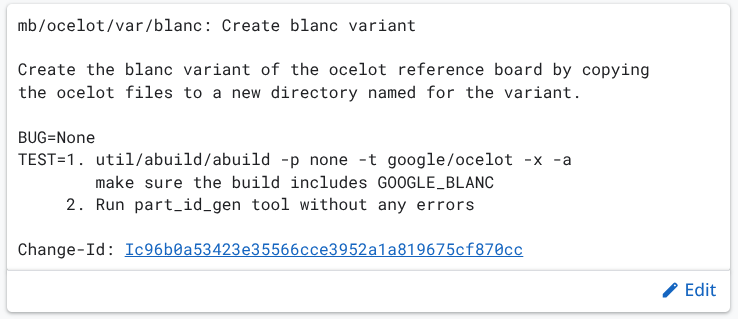
Just days after ‘Coolum’ – an upcoming Intel Core Series 3 clamshell likely coming from Lenovo – was uncovered, yet another development board has officially popped up in the Chromium Gerrit.
Codenamed ‘Blanc’, this new device points toward another manufacturer laying the groundwork for a more mainstream, accessible Intel-powered Googlebook.
Clamshell, convertible, or detachable?
Whenever a brand-new board surfaces, the first big question is always form factor: are we looking at a traditional clamshell, a 2-in-1 convertible, or a detachable tablet like Lenovo’s upcoming Duet m?
While it is still very early days for ‘Blanc’, the initial code provides some clear structural clues. The setup files account for standard active cooling fans, everyday USB-A and USB-C port layouts, and traditional laptop battery rails.
Because there is no evidence of detachable magnetic connectors or specialized tablet-first thermal restrictions, ‘Blanc’ is shaping up to be a traditional clamshell laptop or a convertible 2-in-1 rather than a tablet/detachable.
Aiming for mainstream Intel performance
Under the hood, ‘Blanc’ is branching directly off Google’s ‘Ocelot’ baseboard, which is the reference platform for upcoming Intel Core Series 3 (Wildcat Lake) processors.
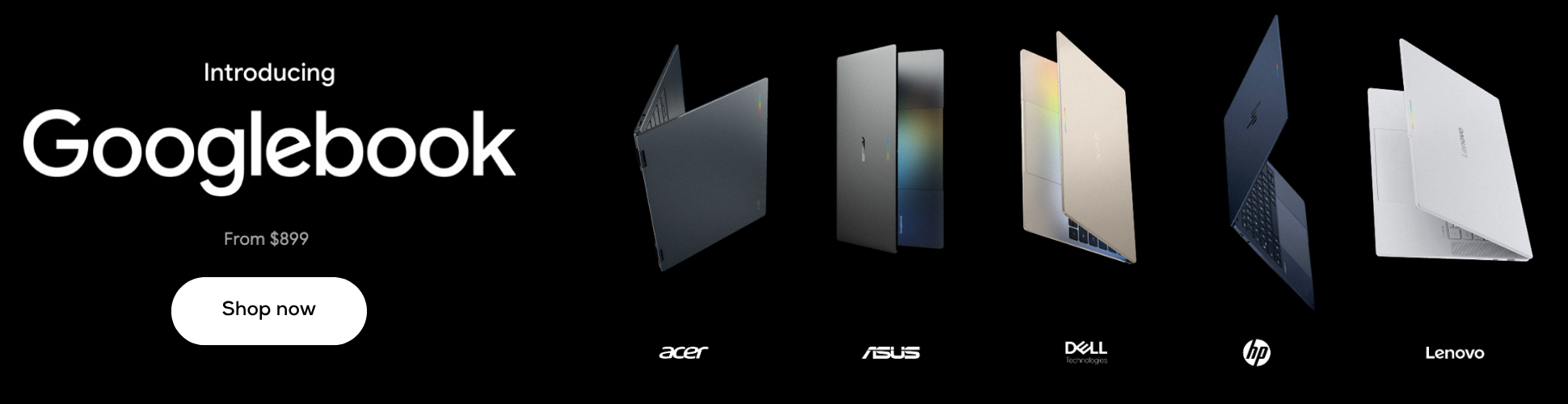
That is a crucial distinction. During Google’s media event in New York City, the initial x86 Intel devices like the Lenovo Googlebook 15, Acer Googlebook 14, and the ultralight ASUS Googlebook 14 all came equipped with Intel’s top-tier Core Ultra Series 3 (Panther Lake) chips and $899+ price tags to match.
‘Blanc’ and the ‘Ocelot’ family represent the next tier down. Instead of chasing ultra-premium, bleeding-edge specs, these Core Series 3 machines are being designed for the high-volume, mainstream market. They will bring reliable multi-core processing, modern on-device AI acceleration for Gemini features, and long battery life at a price point that regular consumers and students will definitely enjoy.
Looking ahead to 2027
Because ‘Blanc’ is literally in its very first week of public code commits, this is not a device you will see hitting Best Buy or the Google Store this fall.
Taking a board from its earliest power configurations to retail certification usually takes anywhere from six to nine months, and Intel’s Wildcat Lake hardware is firmly tracking toward early 2027.
Still, seeing two separate Intel Core Series 3 laptops (‘Coolum’ and now ‘Blanc’) spin up alongside each other shows that hardware partners are already treating Googlebook as a long-term platform rather than a one-time trial. We will keep an eye on ‘Blanc’ as the code matures to see which OEM ultimately puts its logo on the lid.
SUBSCRIBE TO UPSTREAM
Get Chrome Unboxed delivered straight to your inbox
Upstream is our flagship, curated newsletter with the top stories, most click-worthy deals, giveaways, and trending articles from Chrome Unboxed sent directly to your inbox a few times a week. Join 31,000+ subscribers.

