
Support our independent tech coverage. Chrome Unboxed is written by real people, for real people—not search algorithms. Join Chrome Unboxed Plus for just $2 a month to get an ad-free experience, access to our private Discord, and more. Learn more about membership here.
START FREE TRIAL (MONTHLY)START FREE TRIAL (ANNUAL)
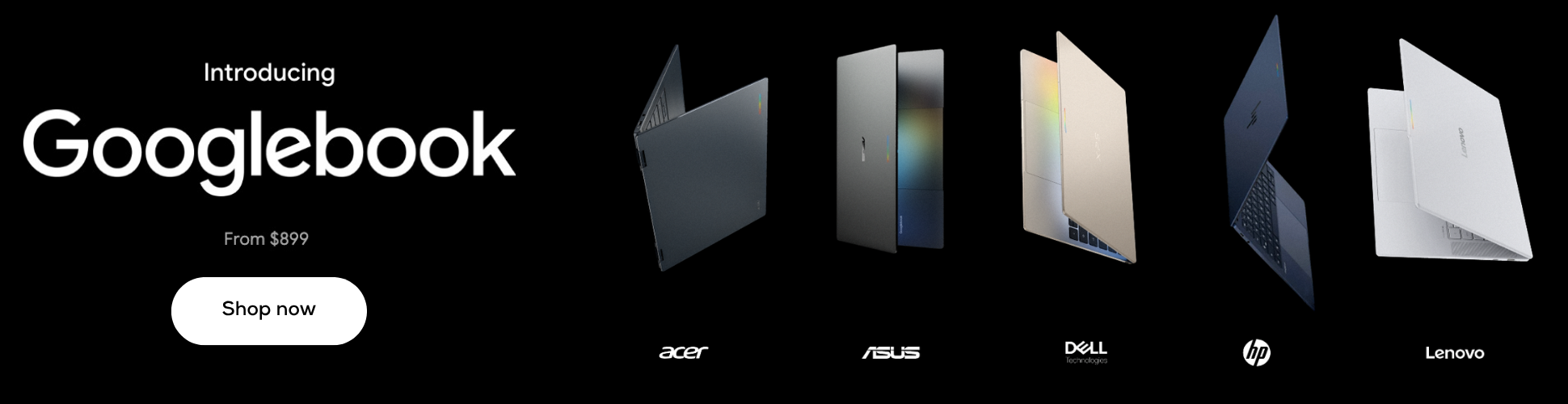
When we walked into Google’s launch event in New York City back in September, there was one device I wanted to get my hands on more than any other: Lenovo’s 13-inch OLED detachable, the Googlebook Duet m. We had tracked the “Sapphire” baseboard for months, watched it hit firmware lock back in the spring, and even ruled out last-minute hardware bugs when it mysteriously skipped the stage in NYC.
At the time, leaving the most exciting form factor on the bench felt like a missed opportunity. Walking around the showroom floor with the five launch clamshells, we had no idea just how many day-to-day software shortcomings the initial wave of Googlebooks would have once we actually moved into them full-time.
Now, after spending weeks daily-driving the initial launch fleet and just recently seeing the Duet m’s wireless Bluetooth keyboard deck clear the FCC, I’m still just as excited for the Duet m to arrive; but I am also very glad Google and Lenovo held it back for right now.
Why the early Googlebook OS launch would have hurt the Duet m
As I have shared over the last couple of weeks, I firmly believe Googlebook deserves a little patience, especially when you look at it as the high-ceiling successor to ChromeOS rather than a MacBook clone. Even so, there is no denying that the out-of-the-box software experience left far too much of ChromeOS behind.
On a traditional clamshell laptop, missing features in the Chrome browser, half-baked Virtual Desks, and a clunky Files app are frustrating hurdles. On a flagship 13-inch detachable, those exact same rough edges combined with an unpolished transition between the desktop and tablet UI would have been a complete bust for a piece of hardware that simply deserves better.
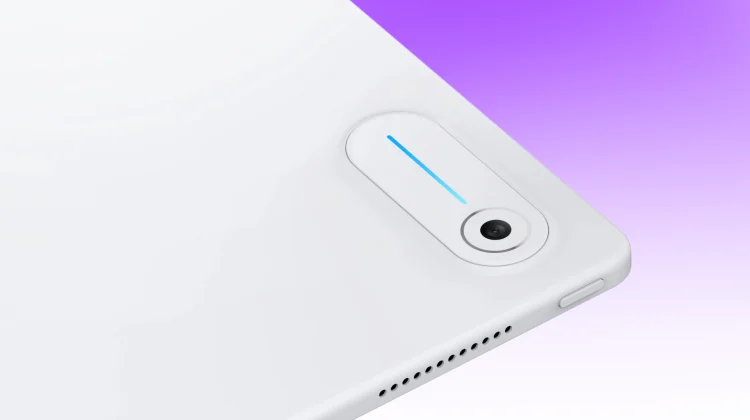
If the Googlebook Duet m had launched alongside the first five laptops in October, the conversation wouldn’t have been about its gorgeous 13-inch OLED display, the MediaTek Dimensity CX C10 Max chip, 16GB of LPDDR5X RAM, or that clever dual-mode Bluetooth and pogo-pin keyboard. Instead, that incredible hardware would have been buried under complaints about unfinished software.
The ultimate 2-in-1 formula is almost within reach
When you step back and look at what the Googlebook premise is actually trying to achieve, a 13-inch detachable is the ultimate proving ground for it. If Google gets the software right before the Duet m lands, this single device will pull off the exact hybrid experience I have been chasing for years.
For the Googlebook Duet m to deliver on its hardware promise, three core pieces need to lock into place:
- Core Chromebook productivity parity: The foundational tools we rely on in ChromeOS – from seamless Virtual Desks and window snapping to a capable, desktop-grade file manager – has to be back in place when the keyboard is attached.
- Chrome at full desktop parity: We are already seeing rapid progress here with Chrome 156 delivering 14 desktop upgrades, bringing the browser much closer to its full-blown desktop counterpart; but we need Chrome to be just as capable and reliable on Googlebook OS as it is on ChromeOS, Windows and MacOS.
- A Pixel Tablet-style touch experience: The moment you unsnap that magnetic keyboard deck, Googlebook OS shouldn’t feel like a shrunk-down desktop fighting your fingers. It needs to instantly lock into the clean, fluid, touch-first Android interface that makes the Pixel Tablet so effortless to use on the couch – along with all the touch-based games that should be available on Googlebook OS right now.
Put those three pieces together on a thin, lightweight 13-inch OLED slate with native Android 17 app support, and you have something no Chromebook Duet – and frankly, no iPad Pro – has ever quite pulled off.
Fast fixes and all eyes on CES 2027
The good news is that user and reviewer feedback has been coming in hot and heavy since launch day, and Google is clearly listening. Between the massive updates in Chrome 156, incoming display calibration fixes, and promised UI fixes on the way, the fact that Google is clearly listening and working on fixes in real time right now is encouraging.
Even though the Duet m’s hardware and accessories are now fully certified at the FCC, rushing it out before the OS is ready would be a mistake. At this point, holding the Lenovo Googlebook Duet m for a marquee launch at CES in January makes all the sense in the world.
Giving the engineering team another two months to iron out desktop parity and dial in tablet mode could be the difference between a frustrating first impression and an all-time great device. The hardware is clearly waiting in the wings, and I am keeping my fingers crossed that by the time we head to Las Vegas in January, the software is finally worthy of what the Duet m is built to deliver.
SUBSCRIBE TO UPSTREAM
Get Chrome Unboxed delivered straight to your inbox
Upstream is our flagship, curated newsletter with the top stories, most click-worthy deals, giveaways, and trending articles from Chrome Unboxed sent directly to your inbox a few times a week. Join 31,000+ subscribers.

