
Support our independent tech coverage. Chrome Unboxed is written by real people, for real people—not search algorithms. Join Chrome Unboxed Plus for just $2 a month to get an ad-free experience, access to our private Discord, and more. Learn more about membership here.
START FREE TRIAL (MONTHLY)START FREE TRIAL (ANNUAL)
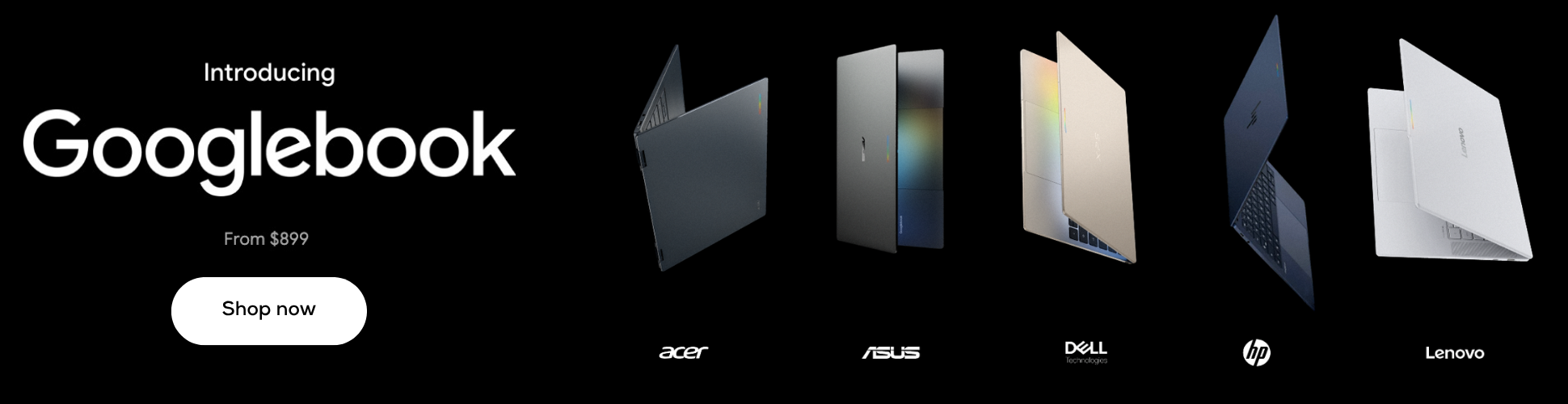
If you’ve been following our coverage since the first wave of Googlebooks landed, you already know one of the biggest hurdles facing this new platform isn’t just the rought reviews of the software, but the high cost of entry as well. Starting at $899 for the entry-level Acer Googlebook 14, this initial lineup is simply priced out of reach for the mainstream buyers who made Chromebooks a staple in the first place.
Today, a newly spotted commit uncovered by GbookHub reveals that development has officially kicked off on a brand-new board named ‘Oncilla’ that is bringing the upcoming Intel Core Series 3 (Wildcat Lake) Googlebook family to an even 10 devices we expect to begin seeing at CES 2027 in a couple months.
Right now, Oncilla is in the earliest stages of development. The initial project commit in Chromium Gerrit adds only the most basic configuration files, borrowing heavily from the ‘Ocelot’ baseboard that is being used as a baseline for these Intel Wildcat Lake boards. Because items like the battery aren’t even configured yet, we don’t really have any specs to talk about with ‘Oncilla’ just yet.
The expanding ‘Ocelot’ family is good news for buyers
With ‘Oncilla’ joining the fray, there are now 10 distinct boards in development under the Intel Core Series 3 Ocelot umbrella. Here is how that lineup currently stacks up based on code discoveries so far:
- ‘Ojal’
- ‘Matsu’ (Acer)
- Kodkod
- ‘Ocicat’ (HP convertible)
- ‘Hekla’ (ASUS)
- ‘Coolum’ (HP clamshell)
- ‘Blanc’ (Lenovo)
- ‘Libra’ (Dell)
- ‘Pelion’
- ‘Oncilla’
- ‘Bianco’ (Lenovo)
Seeing OEMs like Acer, HP, ASUS, Lenovo, and Dell all actively building on Wildcat Lake is encouraging. While the first-generation Googlebooks set an impressive bar for build quality, the platform desperately needs compelling sub-$700 options to gain real traction. Intel’s Core Series 3 architecture looks positioned to deliver the efficiency and performance headroom Googlebook OS needs without forcing manufacturers into $900+ price tags.
Of course, Google still has plenty of work to do on the software side while these boards cook in development. Googlebook OS is very much an active work-in-progress, and ironing out its desktop UI friction and missing ChromeOS staples is just as critical as lowering hardware costs. If Google can pair a more mature software build with a healthy wave of affordable Wildcat Lake devices next year, the whole ecosystem is going to look a lot more inviting. We’ll keep tracking ‘Oncilla’ and the rest of the ‘Ocelot’ family as more hardware clues surface in the code.
SUBSCRIBE TO UPSTREAM
Get Chrome Unboxed delivered straight to your inbox
Upstream is our flagship, curated newsletter with the top stories, most click-worthy deals, giveaways, and trending articles from Chrome Unboxed sent directly to your inbox a few times a week. Join 31,000+ subscribers.

