


Support our independent tech coverage. Chrome Unboxed is written by real people, for real people—not search algorithms. Join Chrome Unboxed Plus for just $2 a month to get an ad-free experience, access to our private Discord, and more. Learn more about membership here.
START FREE TRIAL (MONTHLY)START FREE TRIAL (ANNUAL)
The hardware leaks around Google’s upcoming desktop platform just keep coming. Following the recent arrival of leaked press renders for Lenovo’s Googlebook 15 and the sub-1kg ASUS CX9406, new code commits in the Chromium Gerrit reveal that Lenovo isn’t letting off the gas with their Googlebook lineup.
A brand-new development board codenamed “Meru” has surfaced in Chromium Gerrit, and the underlying code points toward a Snapdragon X2-powered device being prepped for what comes after the fall launch event. With commits for ‘Meru’ just getting underway on August 6th, we don’t expect this device to arrive next month by any stretch of the imagination. Instead, it joins other devices that will continue to arrive after the splashy fall event.
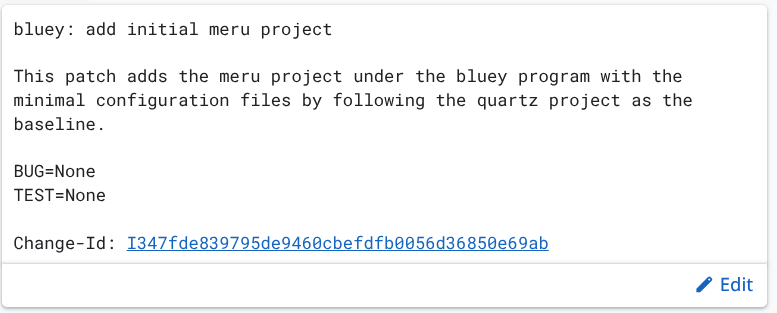
What the Chromium Gerrit code tells us about ‘Meru’
According to tracking work and code breakdowns on GbookHub, ‘Meru’ is constructed directly on top of the ‘Quartz’ development branch that is a known to be built around Qualcomm’s Snapdragon X processor architecture.
The only developer connected to the ‘Meru’ commits for now strongly link the board directly to Lenovo’s engineering team. That connection is significant because Lenovo’s existing Googlebook footprint is already pretty clear from the initial leaks we’ve seen.
Why a third Lenovo Googlebook is compelling
Seeing Lenovo active on three separate SoC tracks shows just how aggressively they are committing to the Googlebook era. While ‘Ruby’ gives us Intel-based Googlebooks and ‘Sapphire’ provides a detachable tablet with MediaTek silicon inside, we’ve not yet seen them partner with Qualcomm to deliver a Snapdragon-powered device yet.
By leveraging Qualcomm’s Snapdragon X platform, a ‘Meru’-based device would deliver the same distinct advantages we see in the other OEM devices using this internal structure:
- All-day battery efficiency: Taking advantage of ARM architecture to provide fanless or near-silent operation with multi-day standby time.
- Dedicated NPU performance: Utilizing Qualcomm’s 45+ TOPS NPU to handle local Gemini AI tasks and screen reasoning without hitting system lag.
- Ultra-thin mobility: Fitting into Lenovo’s popular Yoga or IdeaPad Slim chassis designs for road warriors and students.
The Googlebook launch fleet is growing fast
When Google first pulled back the curtain on Googlebook at The Android Show back in May, they named five core manufacturing partners: Acer, ASUS, Dell, HP, and Lenovo. At the time, I assumed we might see one primary device from each brand for the launch and near future that will follow.
Instead, the Chromium Gerrit shows that partners are building multiple form factors across Intel, Qualcomm, and MediaTek silicon. With the assumptions made here, Lenovo alone now appears to have three distinct SoCs now included in their Googlebook portfolio.
One final caveat I’ll throw in: ‘Meru’ is baselined off of ‘Quartz’ to start off with. Though the developer behind this initial effort is clearly tied heavily to Lenovo, ‘Quartz’ is already known as the HP Googlebook 14c, so there’s a small chance that HP is involved here instead. And until more ‘Meru’ commits come in, we won’t know that for sure.
Either way, I’ll be keeping a close eye on the Gerrit as development continues for ‘Meru’, so stay tuned to Chrome Unboxed for more updates as we continue covering what we’re starting to internally call “Googlebook Silly Season”.
SUBSCRIBE TO UPSTREAM
Get Chrome Unboxed delivered straight to your inbox
Upstream is our flagship, curated newsletter with the top stories, most click-worthy deals, giveaways, and trending articles from Chrome Unboxed sent directly to your inbox a few times a week. Join 31,000+ subscribers.

