Support our independent tech coverage. Chrome Unboxed is written by real people, for real people—not search algorithms. Join Chrome Unboxed Plus for just $2 a month to get an ad-free experience, access to our private Discord, and more. Learn more about membership here.
START FREE TRIAL (MONTHLY)START FREE TRIAL (ANNUAL)
If you’ve spent any time reading or watching our Googlebook coverage over the past few weeks, you already know my honest stance on where this platform sits right now. As I laid out in my one-month recap, the transition from ChromeOS to an Android 17-based desktop has brought plenty of growing pains, rough edges, and missing features that Google is only now starting to patch up. But while the software continues to mature, there’s another massive piece of the equation that we need to talk about: hardware pricing.
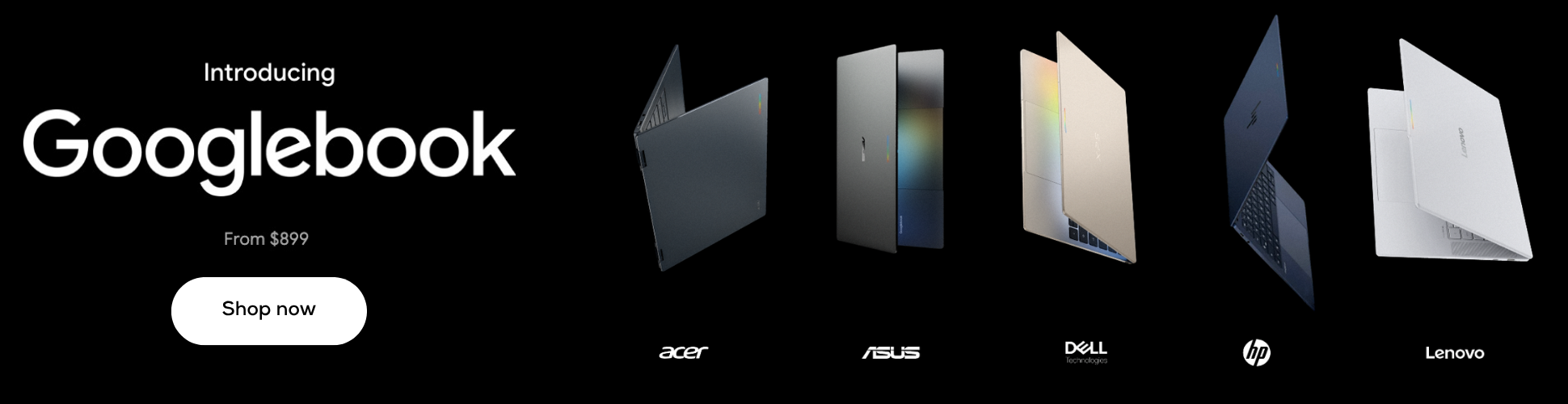
The first wave of Googlebooks made it clear that Google wanted to make an upscale first impression. But when the most affordable laptop in the starting lineup is the Acer Googlebook 14 at $899, this platform remains completely locked away from the mainstream audience that make up a ton of the current Chromebook user base. For Googlebook to truly take hold, we desperately need capable hardware that lands at everyday price points. And based on what’s quietly brewing over in the Chromium repositories, that second wave of accessible silicon is picking up serious steam.
The ‘Ocelot’ family just added its ninth member
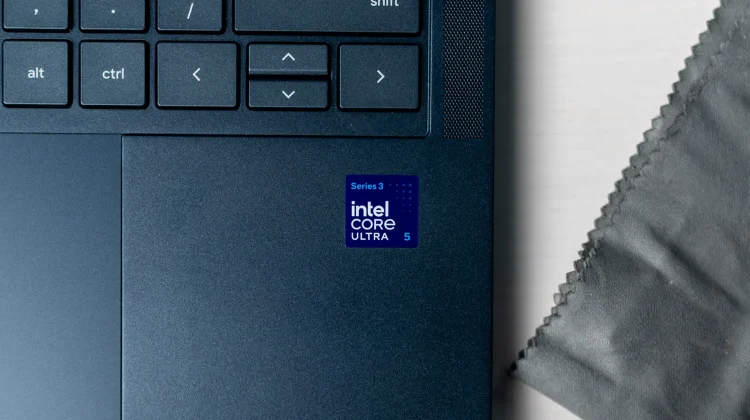
Thanks to a new report from GbookHub, development has officially begun on another Googlebook board codenamed ‘Pelion.’ According to code commits spotted on Chromium Gerrit, Pelion is an Intel Core Series 3 Wildcat Lake development board.
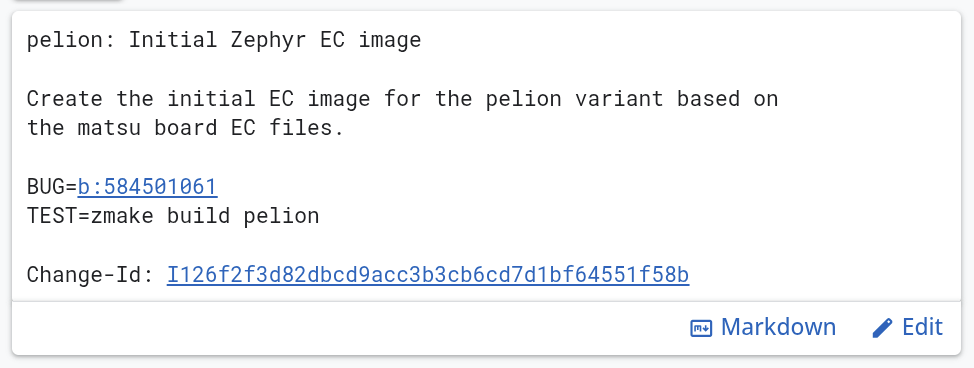
What makes ‘Pelion’ noteworthy is its lineage. The commits show that its initial image and Depthcharge files were branched by copying directly from ‘Matsu’, an existing Wildcat Lake board under the broader ‘Ocelot’ platform umbrella. While ‘Pelion’ itself is brand new, earlier ‘Matsu’ code commits have already mapped out what this hardware tier looks like:
- Clamshell and convertible 2-in-1 form factors
- 14-inch display tier with optional touch support
- Storage flexibility with UFS or NVMe
- Standard everyday port selection (USB Type C and Type A)
- 65W charging and Wi-Fi 7 support
- Built-in biometric fingerprint security and backlit keyboard support
With ‘Pelion’ entering active development, the Ocelot family now totals nine distinct boards:
- ‘Ojal’
- ‘Matsu’ (Acer)
- ‘Kodkod’
- ‘Ocicat’ (HP convertible)
- ‘Helka’ (ASUS)
- ‘Coolum’ (HP clamshell)
- ‘Blanc’ (Lenovo)
- ‘Libra’ (Dell)
- ‘Pelion’
Why mainstream silicon is the real key to Googlebook’s future
Looking across that list, the same five hardware partners are already accounted for. That means ‘Pelion’ could simply be a secondary chassis design from an established manufacturer, or it could signal another OEM preparing to enter the Googlebook space. I’d lean on the former.
Either way, the broader story here is the momentum behind Intel’s Wildcat Lake. As much as I enjoy the sleek fit and finish of premium machines like the Dell XPS Googlebook, a developing desktop ecosystem cannot survive solely on $1,000+ laptops – especially while the operating system is still ironing out basic desktop workflows and UI quirks.
The sweet spot for laptop adoption has always lived in the $400 to $700 range. Pairing efficient Intel Core Series 3 silicon with practical 14-inch displays and UFS/NVMe storage options gives hardware makers the exact blueprint they need to build solid, sub-$600 machines. If Google can spend the next few months polishing Googlebook OS and squashing bugs, having nine affordable Wildcat Lake models ready to flood the market could be exactly what turns this experimental platform into a legitimate mainstream contender.
SUBSCRIBE TO UPSTREAM
Get Chrome Unboxed delivered straight to your inbox
Upstream is our flagship, curated newsletter with the top stories, most click-worthy deals, giveaways, and trending articles from Chrome Unboxed sent directly to your inbox a few times a week. Join 31,000+ subscribers.

