
Support our independent tech coverage. Chrome Unboxed is written by real people, for real people—not search algorithms. Join Chrome Unboxed Plus for just $2 a month to get an ad-free experience, access to our private Discord, and more. Learn more about membership here.
START FREE TRIAL (MONTHLY)START FREE TRIAL (ANNUAL)
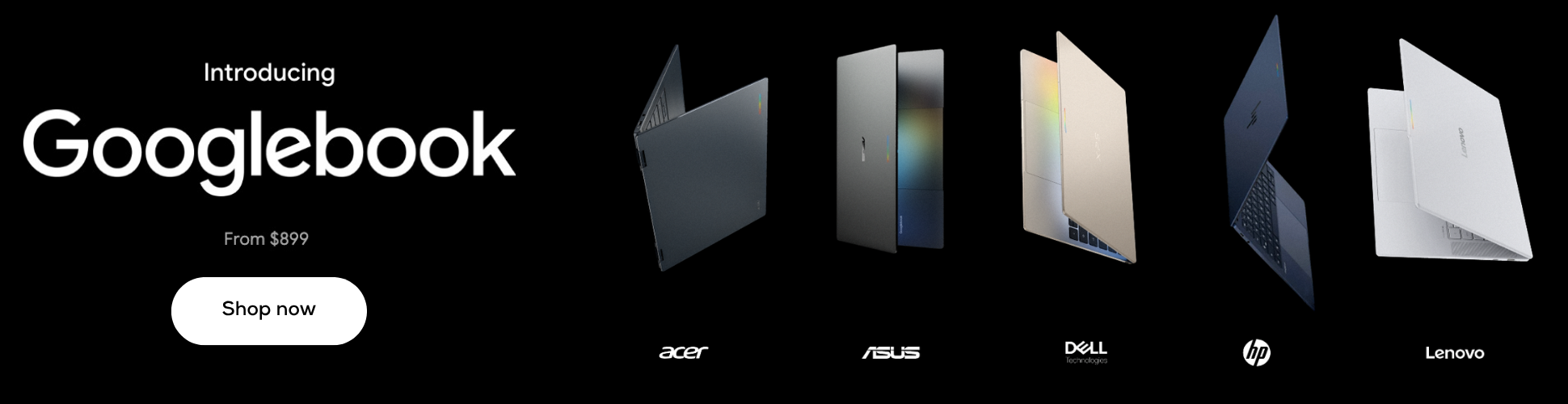
When Google decided to kick off the Googlebook era with exclusively high-end, premium laptops, the logic on paper made a lot of sense. They wanted to shed the budget-device baggage that has followed Chromebooks around for over a decade, make a bold hardware statement out of the gate, and show that Android-based desktop computing belonged on the same shelf as a MacBook Pro or a high-end Windows machine. Looking at where things stand right now, though, that gamble feels like it missed the mark.
By starting at the top of the price ladder with the most affordable option still sitting at $899, Google didn’t just set a high bar for hardware; they cranked expectations up to a level that Googlebook OS simply wasn’t ready to meet. When you ask buyers to drop nearly a grand or more on a brand-new clamshell laptop, every missing ChromeOS staple, every browser quirk, and every rough edge in Android 17’s desktop interface gets magnified exponentially.
However, when you really think about it, the entire rollout was a classic no-win situation from day one. Whether Google’s flagship-first choice was ultimately the wrong call is something we’ll never truly know, because every path they could have taken came with its own built-in set of baggage. Still, I can’t help but wonder what the narrative around Googlebook would look like today if tablet-first hardware or lower-priced laptops had made up the launch fleet instead.
The gamble of starting with detachables first
As we await the arrival of the Lenovo Googlebook Duet 13 in January – presumably making its official debut at CES – I keep thinking about how differently Googlebook might have been received if Google had led with detachables instead of traditional clamshells.
I was playing around with the Pixel Tablet the other day, and it really is still a great tablet experience. Reading, watching videos, checking social media, catching up on the morning news – all of that casual, touch-first stuff feels completely natural. When you hook up a mouse and keyboard, you get a solid pseudo-desktop experience with windowed apps, window snapping, decent multitasking, and the exact same style of virtual desks you find on Googlebook.
Because it’s a tablet first, though, I found myself being far less harsh on it as a laptop replacement. And we’ve all operated that way for years, whether it’s a Samsung tablet running DeX, an iPad with a Magic Keyboard attached, or a phone plugged into a monitor with Android Desktop. Seeing a device as mobile-first immediately eases the pressure to achieve desktop perfection.
When it comes time to dig in and get more technical work done, I still reach for a Chromebook first, as I broke down in a recent post about this reality right now. I would happily give a tablet a pass in those situations, whereas on a $1,000+ Googlebook laptop, I expect it to go toe-to-toe with ChromeOS and win on all fronts right out of the box.
Of course, leading with detachables wouldn’t have been a free pass, though. Had Google launched Googlebook as a tablet-first category, the tech world would have immediately lined it up against the iPad lineup on day one, and that’s a comparison Android tablets have historically struggled to win in the public eye.
The gamble of going affordable out of the gate
The third option Google could have exercised was launching with lower-cost, mainstream hardware to appease price-conscious buyers right away. We know affordable devices powered by chips like Intel’s Wildcat Lake and Qualcomm’s Snapdragon C are in the pipeline, and getting sub-$600 hardware onto store shelves is going to be critical for the platform’s long-term volume.
Had Google started there, though, the narrative would have been just as tricky. Launching with budget or mid-range laptops would have immediately drawn direct, relentless comparisons to Chromebooks. Buyers and reviewers alike would have rightly asked why they should buy a $400 Googlebook with an unfinished desktop OS when a $400 Chromebook Plus already nails the fundamentals, runs full desktop Chrome without compromise, and handles multitasking effortlessly.
Trading one set of problems for another
In the end, Google had to make a play somewhere, and they chose the route that sent the loudest statement about where they want this platform to go. By leading with gorgeous OLED screens, premium chassis builds, and flagship silicon, they proved that OEMs are taking Googlebook seriously.
We’ll never get to run the alternate timeline to see if a softer landing would have worked better, and every launch strategy carries its own risks. Still, I can’t help but wonder how much smoother these early months would have been if Googlebook OS had been given room to grow on a detachable like the Lenovo Googlebook Duet 13 or a forgiving mid-range machine before asking flagship buyers to carry the torch. High-end hardware bought Googlebook plenty of attention at launch, even if it accidentally spotlighted every single thing the software still needs to fix.
SUBSCRIBE TO UPSTREAM
Get Chrome Unboxed delivered straight to your inbox
Upstream is our flagship, curated newsletter with the top stories, most click-worthy deals, giveaways, and trending articles from Chrome Unboxed sent directly to your inbox a few times a week. Join 31,000+ subscribers.

