
Support our independent tech coverage. Chrome Unboxed is written by real people, for real people—not search algorithms. Join Chrome Unboxed Plus for just $2 a month to get an ad-free experience, access to our private Discord, and more. Learn more about membership here.
START FREE TRIAL (MONTHLY)START FREE TRIAL (ANNUAL)
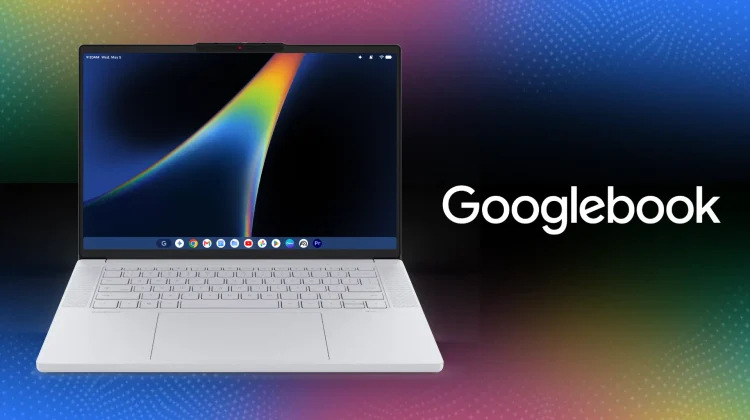
With Google’s New York media showcase just around the corner, we’ve covered tons of the over-arching Googlebook equation: the flagship hardware fleet, benchmark leaks, native Android execution, and independent Chrome browser updates.
Yet, as we prepare to see retail laptops carrying premium price tags in just a week from now, one massive question remains completely unanswered: How many years of software updates will Googlebook actually receive?
When you ask buyers to spend flagship money on a brand-new computing platform, long-term support simply cannot be an afterthought; it is a cornerstone of the value proposition. Looking at the support lifecycles of ChromeOS, Android, and macOS, Google finds itself at an interesting crossroads, and the precedent they set on stage will speak volumes about their commitment to the category.
| Platform / Ecosystem | Support Window | Pricing Tier | Form Factors |
|---|---|---|---|
| Chromebook Plus | 10 Years (Guaranteed AUE) | $349 – $799 | Clamshell, 2-in-1 |
| Google Pixel | 7 Years (OS & Security) | $699 – $1,799 | Slates, Foldables |
| Samsung Galaxy (Flagship) | 7 Years (OS & Security) | $799 – $1,899 | Slates, Tablets, Foldables |
| Apple MacBook (Air / Pro) | ~8 to 10 Years (Combined) | $999 – $3,499+ | Traditional Clamshell |
| Googlebook (Projected) | ? (7 vs. 10 Years) | $899+ (Flagship) | Clamshell, 2-in-1, Detachable |
The 10-year ChromeOS benchmark
If Google borrows from its own laptop history, the baseline is already set exceptionally high. Chromebooks famously spent years expanding their Auto Update Expiration (AUE) policies, eventually arriving at an industry-leading 10-year support guarantee for modern devices. When you buy a modern Chromebook, you know with absolute certainty that your machine will receive regular security patches and platform feature updates for a decade from its platform release date.
That 10-year promise fundamentally reshaped how schools, enterprise IT departments, and everyday consumers viewed the longevity of Google hardware. It proved that a lightweight, cloud-forward OS could outlive the typical consumer replacement cycle.
The modern reality of Android 7-year commitments
The wrinkle, of course, is that Googlebook isn’t running ChromeOS. It is built on a desktop-class Android foundation, and in the mobile space, Google pushed their update commitments by promising 7 full years of OS upgrades and security drops starting with the Pixel 8 series; a move Samsung quickly matched for its flagship Galaxy lineup.
Seven years is a long lifecycle for a smartphone, which lives in your pocket, endures constant battery cycles, and faces harsh physical wear every single day. But a premium laptop is a distinctly different computing investment. Users regularly hold onto desktop workstations and laptops far longer than their phones, often expecting a machine to remain reliable, secure, and capable for most of a decade.
The Qualcomm – MediaTek – Intel silicon vendor hurdle
Hitting a decade of support on Android isn’t solely Google’s decision; it also requires buy-in from the silicon providers powering these machines. Historically, Android’s update limitations weren’t just software hurdles; they were constrained by chipmakers dropping support for their Board Support Packages (BSPs) and low-level driver kernels after three or four years.
Google solved this on Pixel by designing custom Tensor silicon, and both Qualcomm and MediaTek have recently lengthened their driver commitments to enable 7-year phone lifecycles. But for Googlebook, the challenge spans multiple distinct chip makers simultaneously: Qualcomm Snapdragon X chips, flagship MediaTek processors, and x86 Intel Panther Lake silicon. If Google intends to deliver 10 years of updates across the board, they need long-term firmware and driver commitments locked down with every silicon partner on stage. That’s not always been easy, but it is definitely possible.
The Macbook Neo is the bar Googlebook has to clear
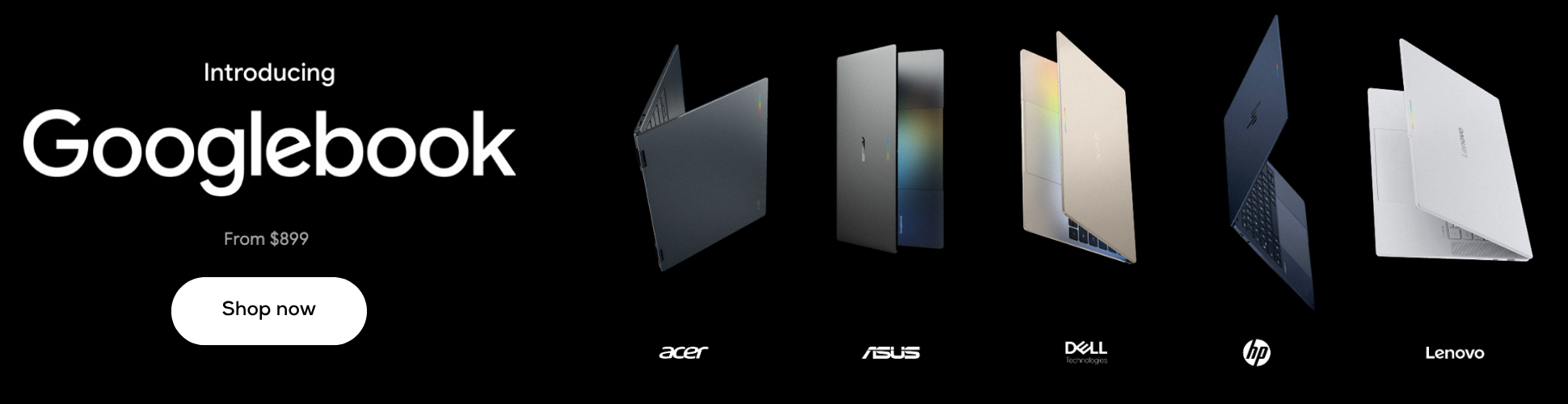
Because Googlebook is launching as an unapologetic, premium hardware tier alongside brands like Lenovo, HP, Dell, Acer, and Asus, its primary retail competitor isn’t a budget netbook. It’s the MacBook Neo and MacBook Air.
Apple doesn’t publicly guarantee a rigid number of years on a spec sheet, but their historical track record is remarkably consistent. MacBooks typically receive full macOS version upgrades for roughly 6 to 7 years, followed by an additional 2 to 3 years of dedicated security patches. In practice, that means an Apple laptop reliably stays secure and functional for anywhere from 8 to 10 years before it is truly phased out.
If Google wants shoppers to drop flagship money on a Googlebook over a MacBook, matching that 8-to-10-year window feels almost non-negotiable. Relegating a $1,000+ laptop to a smartphone-style support window could give pause to buyers who expect Apple-level staying power.
Why 10 years should be the Day-One standard
Considering all this, Google has a golden opportunity to make a statement in New York. By guaranteeing a full 10-year support lifecycle for Googlebook and mirroring the modern ChromeOS commitment, Google would immediately eliminate hesitation about adopting a brand-new operating system. It would send a clear signal that Googlebook is a permanent, long-term pillar of Google’s hardware ambitions, not simply a fleeting laptop experiment.
Whether or not that will be the case is yet to be seen, but we’ll know very, very soon. We are beyond excited to get to New York, hear all the details, test out all the hardware, and report it back to you the moment we’re allowed. Here’s hoping Google has already considered this part of the equation!
SUBSCRIBE TO UPSTREAM
Get Chrome Unboxed delivered straight to your inbox
Upstream is our flagship, curated newsletter with the top stories, most click-worthy deals, giveaways, and trending articles from Chrome Unboxed sent directly to your inbox a few times a week. Join 31,000+ subscribers.

