
Support our independent tech coverage. Chrome Unboxed is written by real people, for real people—not search algorithms. Join Chrome Unboxed Plus for just $2 a month to get an ad-free experience, access to our private Discord, and more. Learn more about membership here.
START FREE TRIAL (MONTHLY)START FREE TRIAL (ANNUAL)
Whenever Google announces a major new software pivot or new hardware launch, a healthy dose of skepticism usually follows. Over the years, we have all watched Google launch ambitious projects, pivot direction, or sunset services that didn’t hit critical mass quickly enough.
It is completely fair for anyone tracking the upcoming Googlebook launch to ask the hard question: Is Google actually serious about this, or is this just another temporary experiment?
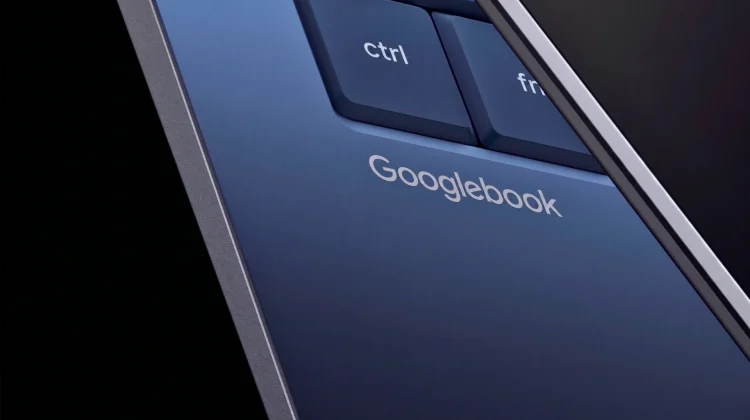
If you are worried that Google might approach Googlebook flippantly, there is one massive detail sitting right in front of us that proves just how committed the company actually is to this new device category; and it comes down to the name emblazoned on each of the laptops we’re expecting to see this fall.
Putting the primary brand on the line
In our sit-down chat with Google VP John Maletis, we talked at length about how Google is approaching the branding and hardware standards for this new category. Right around the 10:00 mark of the interview, John explained the true significance of putting the word “Google” directly onto the hardware:
“When we’re making a decision on brand… if we’re going to put the Google brand on a product like Googlebook, we need to make sure that it’s got a really high bar of quality and polish against it.”
That distinction is huge. With Chromebooks and Chromebook Plus, the “Chrome” branding gave Google a comfortable buffer. Chrome was a sub-brand – a browser and an operating system – which allowed Google to experiment while keeping its primary corporate identity slightly detached from third-party hardware execution.
Googlebook is completely different. By stamping its core corporate name on every single device built by manufacturing partners, Google is putting its primary brand reputation squarely on the line. Simply put, they don’t put the Google name and branding on a device category unless without being prepared to stand behind it for the long haul.
A track record of long-term commitment
Even when hardware platforms face an uphill battle, Google’s history in the desktop space shows a level of persistence that often gets overlooked with the whole “Google Graveyard” rhetoric.
When ChromeOS launched back in 2011, plenty of critics dismissed web-based laptops as an idea that would never last. Instead of abandoning ship when things were tough, Google continuously invested in the platform, refined the software, and eventually doubled down on longevity by expanding software and security support up to a full decade.
Googlebook isn’t a hasty replacement; it is the culmination of everything Google has learned over fifteen years of building desktop operating systems. And while we’ve talked about how Google still needs to nail critical day-one elements – like ensuring Gemini AI features are easy to find and genuinely useful and letting OEM partners light the hardware path as opposed to building a new Pixelbook – the underlying platform commitment doesn’t seem to be up for debate to me.
None of this guarantees that Googlebook will instantly dominate the market on day one. Building a new computing platform to challenge established giants is hard work, and market adoption will absolutely take time.
However, I think we can all rest easy knowing that Google isn’t treating Googlebook as a side project. By putting their main name on every single device that rolls off the assembly line, Google is signaling to users, app developers, and OEM partners that they are fully committed to this new era of computing for the long haul. And if they pull off a splashy launch, deliver great AI additions to the laptop experience, and do it all on superb hardware, we could be getting ready to witness something quite special.
SUBSCRIBE TO UPSTREAM
Get Chrome Unboxed delivered straight to your inbox
Upstream is our flagship, curated newsletter with the top stories, most click-worthy deals, giveaways, and trending articles from Chrome Unboxed sent directly to your inbox a few times a week. Join 31,000+ subscribers.

