
Support our independent tech coverage. Chrome Unboxed is written by real people, for real people—not search algorithms. Join Chrome Unboxed Plus for just $2 a month to get an ad-free experience, access to our private Discord, and more. Learn more about membership here.
START FREE TRIAL (MONTHLY)START FREE TRIAL (ANNUAL)
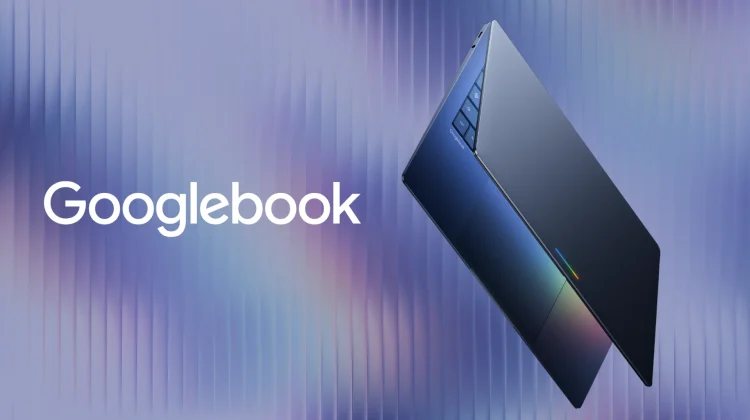
When Google pulled back the curtain on Googlebook back in May, it wasn’t just introducing a new brand name. It was signaling a massive architectural pivot in the history of Google’s laptop strategy. By pairing native Android OS foundations with desktop-class Chrome browser capabilities and building the platform strictly around Gemini Intelligence, Google is taking a direct, unapologetic swing at the premium laptop market.
Naturally, this leaves a massive elephant in the room: Where does this all leave high-end Chromebooks? For years, devices like the Acer Chromebook Spin 714, the Samsung Galaxy Chromebook Plus, and my current favorite – the Lenovo Chromebook Plus 14 – have carried the torch for users who wanted premium aluminum builds, stellar displays, and top-tier performance on ChromeOS. But with Googlebook stepping into the mix this fall, the writing on the wall is becoming hard to ignore.
The gap Googlebook has to fill first
In the long run, I firmly believe that high-end Chromebooks will eventually fade away. But I don’t think that transition is going to happen overnight, and Googlebook likely won’t instantly answer every need for seasoned ChromeOS power users on day one.
While Googlebook is bringing groundbreaking features like the Magic Pointer cursor, seamless phone app casting, and deep local AI integration, it is still a brand-new desktop platform built on top of Android. And mature desktop operating systems take time to refine.
For users who rely heavily on hyper-specific Linux container workflows (Crosini), complex enterprise management tools, or decades of web development utilities tailored strictly for ChromeOS, a first-generation Googlebook might feel like a temporary step sideways – if not backwards. Chromebooks have spent over fifteen years perfecting cloud-first efficiency and lightweight speed. Googlebook is aiming for something a bit more ambitious, and new OS paradigms inevitably come with early growing pains.
The natural shift in market positioning
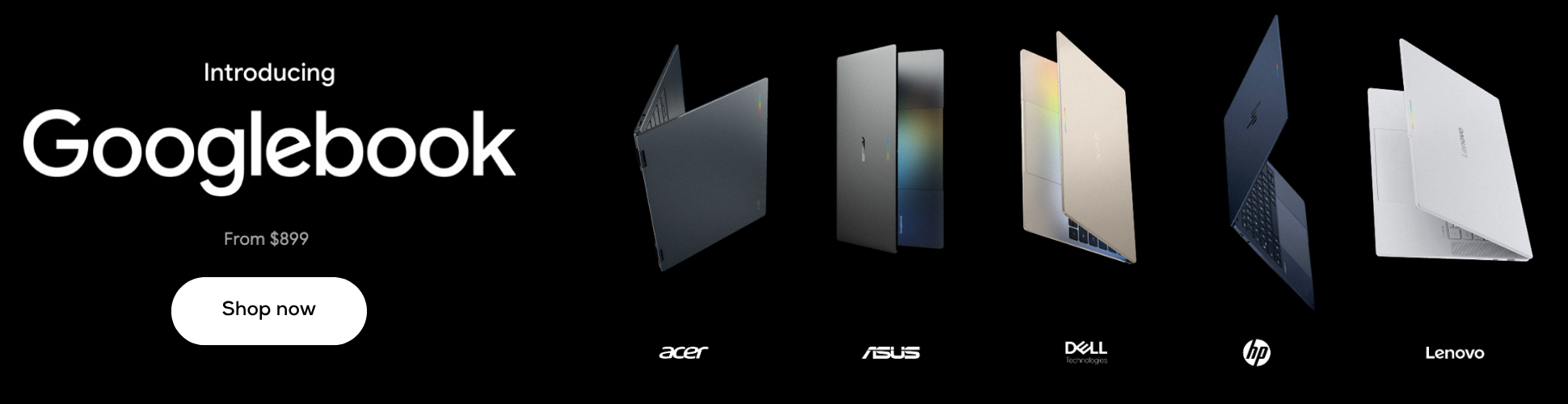
Despite those initial transition hurdles, Google’s overall hardware strategy is becoming crystal clear. Googlebook isn’t designed to compete with $200 back-to-school laptops. It is explicitly positioned to battle Windows laptops and Apple’s MacBook lineup. That means Googlebook will naturally situate itself the $800+ premium consumer tier, backed by hardware partners like Acer, ASUS, Dell, HP, and Lenovo pushing top-shelf aluminum chassis, dynamic RGB lighting, and high-end silicon.
Once Googlebook proves it can handle true desktop multitasking and heavy productivity, there will simply be very little reason for manufacturers to build a $900 Chromebook Plus.
Instead, Chromebooks will likely return to doing what they do best: dominating the budget, education, and mainstream mid-range spaces. Standard ChromeOS will continue to thrive on affordable, highly capable machines like the $199–$399 Lenovo Slim 3, providing unmatched battery life, ironclad security, and cloud simplicity for everyday users and classrooms.
A gradual sunset
If you recently bought a high-end Chromebook Plus device, you don’t need to panic. Google has committed to supporting ChromeOS devices for up to 10 years, and new Chromebooks will continue to launch alongside the initial wave of Googlebooks this fall.
Furthermore, Google has hinted that select existing high-end Chromebooks may even be eligible for an OS upgrade path to Googlebook down the road.
However, as consumer mindshare and developer focus inevitably shift toward Gemini-powered Android desktop experiences, manufacturer R&D budgets will follow the money. In a year or two, when you look for a high-end, flagship laptop backed by Google’s latest tech, it won’t have a Chromebook badge on the lid any longer. And, assuming Googlebook delivers on what Google has planned for it, I think that’s OK.
SUBSCRIBE TO UPSTREAM
Get Chrome Unboxed delivered straight to your inbox
Upstream is our flagship, curated newsletter with the top stories, most click-worthy deals, giveaways, and trending articles from Chrome Unboxed sent directly to your inbox a few times a week. Join 31,000+ subscribers.

