

Support our independent tech coverage. Chrome Unboxed is written by real people, for real people—not search algorithms. Join Chrome Unboxed Plus for just $2 a month to get an ad-free experience, access to our private Discord, and more. Learn more about membership here.
START FREE TRIAL (MONTHLY)START FREE TRIAL (ANNUAL)
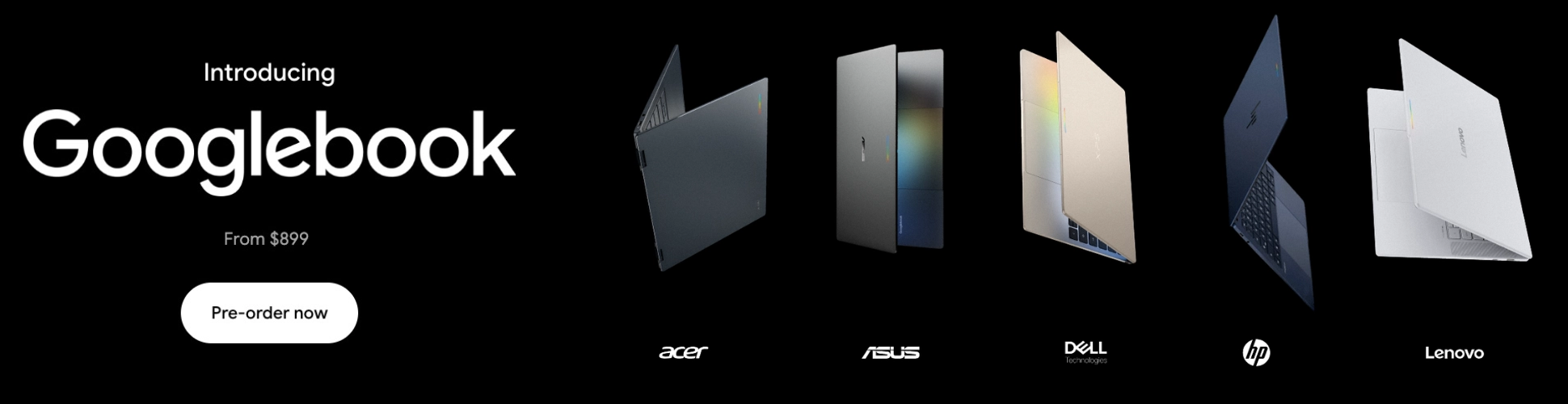
It has been exactly two months since Google fundamentally shifted the landscape of their laptop computing portfolio. Back in May, during The Android Show: I/O Edition, they pulled back the curtain on Googlebook – the upcoming, premium successor to the high-end Chromebook ecosystem built on a native Android foundation and primed for Gemini Intelligence.
When that announcement happened, there was a palpable buzz in the air around this new class of laptop from Google. We got a glimpse of the new UI, learned about the “Glowbar” lid lighting, and saw the subtle brilliance of the Magic Pointer cursor. The idea was out officially there, the naming was introduced, and the hype train had officially left the station.
But here we are in mid-July, and the reality of life in the tech news world is starting to set in. With a launch heavily rumored for late September or October, we are officially sitting dead-center in the quietest part of the summer waiting game. And it feels like an absolute eternity since we heard anything new about Googlebook and forever until we’ll actually see these devices in person. Hyperbole? Sure, but as these things go, two more months of waiting really feels like a very long time.
The problem with early hype
In the tech world, excitement is a highly perishable commodity. Mind share moves quick. One week everyone is obsessing over a brand-new OS, and the next week the entire internet has shifted its focus to upcoming smartphone leaks, new processor architectures, or competing AI platforms.
By dropping such a massive, tantalizing tease in May and then going silent for months, Google risks letting that hard-earned momentum stall out. For the hardcore tech enthusiasts and early adopters that initially were pulled in by the first announcements, the initial rush has naturally faded into a quiet, impatient hum.
We know that massive manufacturing partners like Acer, ASUS, Dell, HP, and Lenovo are actively prepping hardware behind the scenes. We’ve even tracked down development boards pointing to a healthy wave of launch devices spanning Intel, Qualcomm, and MediaTek silicon. The coming wave of Googlebooks set to arrive in a couple months is very real, but from a consumer perspective, we are starving for updates.
Why Google should throw us a bone
With a solid two months left on the clock before these laptops are expected to actually be revealed to the world, Google really needs to consider giving us another small taste of what’s to come in the interim.
They don’t need to give away the entire farm, but a steady trickle of official information would go a long way in keeping the Googlebook category at the forefront of the conversation. They could give us a deeper look into how desktop window management actually handles heavy multitasking or show us another real-world demonstration of how the AI-powered custom widgets operate. They could give us a few of the apps that are set to be available at launch. They could tell us the naming for the OS. Something.
Until Google decides to officially break the silence, we will keep digging through Chromium repositories and app listings to surface every hidden detail we can find. But late September/October is a long way away still, and I really think Google needs to keep the brand in front of potential users a bit more to keep the hype moving forward.
SUBSCRIBE TO UPSTREAM
Get Chrome Unboxed delivered straight to your inbox
Upstream is our flagship, curated newsletter with the top stories, most click-worthy deals, giveaways, and trending articles from Chrome Unboxed sent directly to your inbox a few times a week. Join 31,000+ subscribers.

