
Support our independent tech coverage. Chrome Unboxed is written by real people, for real people—not search algorithms. Join Chrome Unboxed Plus for just $2 a month to get an ad-free experience, access to our private Discord, and more. Learn more about membership here.
START FREE TRIAL (MONTHLY)START FREE TRIAL (ANNUAL)
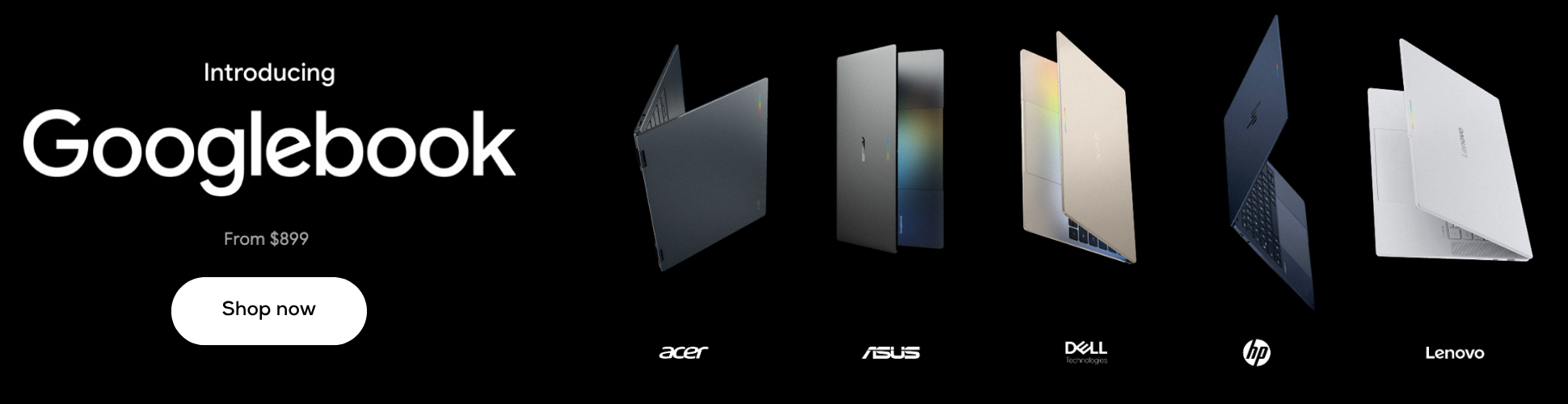
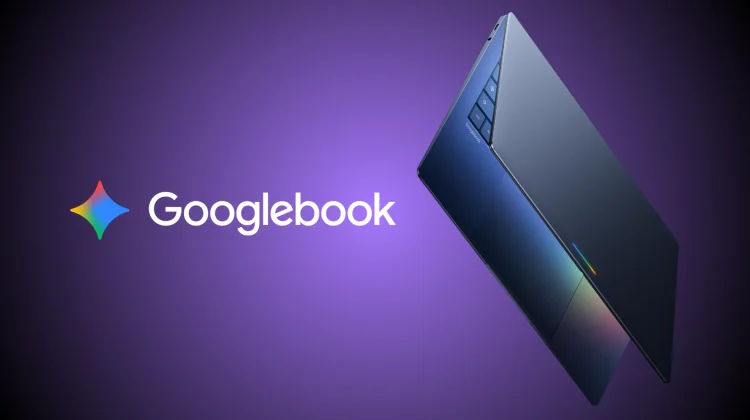
When Google officially announced Googlebook a few weeks back, they confirmed that major partners like Dell, HP, ASUS, Acer, and Lenovo were all on board for an impressive launch this fall. I figured we’d see a tight, highly curated group of devices out of the gate with what I thought would likely be five hardware models to represent one flagship showcase laptop from each of the five initial manufacturers.
But the official announcement buzz temporarily turned my attention away from the devices I’ve been tracking in the Chromium Gerrit for months at this point. When I went back to tally things up, it turns out that we are currently tracking at least eight distinct devices actively being prepped for the Googlebook launch this fall, and that’s a bold way to enter the market.
Devices on the way from Intel
On the Intel side of the fence, things have been very active. We have been tracking the ‘Fatcat’ baseboard as the core development board for Intel’s next-generation Panther Lake architecture for quite some time. Early on, I thought these would be Chromebooks, but one trait shared across the board with ‘Fatcat’ devices makes us certain we’re looking at Googlebooks instead.
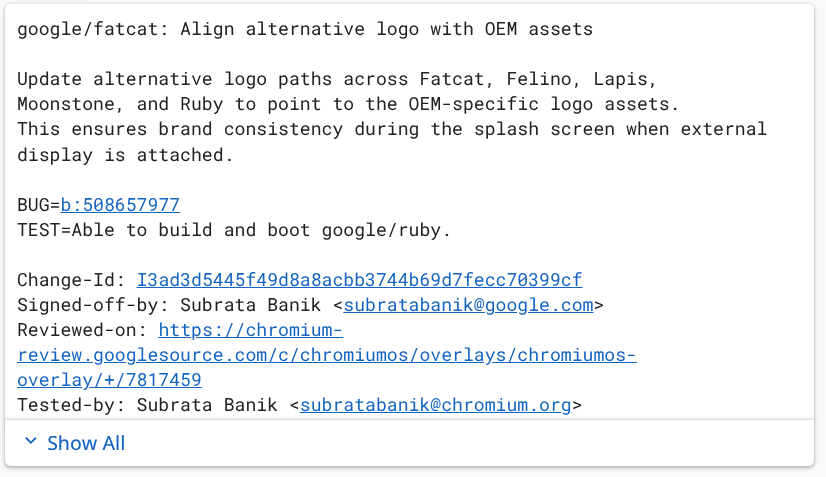
Looking at this particular commit, it is clear changes are being made to align alternative splash screens to display brand-specific logos during the boot process. As we’ve discussed before, that isn’t a ChromeOS or Chromebook thing: it’s a Googlebook trait. And from this one commit, we can see at least 4 devices set to get this splash screen treatment:
- ‘Felino’
- ‘Lapis’
- ‘Moonstone’
- ‘Ruby’
Snapdragon and the ‘Bluey’ Boards
On the ARM side of the ecosystem, Qualcomm is preparing a solid showing as well. We’ve already seen confirmation that Snapdragon-powered Googlebooks are officially landing this fall, and the hardware trail is firmly tied to the ‘Bluey’ baseboard. Here are the devices that are spawned from that board:
- ‘Quenbi’
- ‘Mica’
- ‘Quartz’
The lone MediaTek Googlebook: ‘Sapphire’
Finally, we can’t forget about MediaTek. For months, the exciting ‘Sapphire’ platform has been making regular appearances in development logs. Powered by what we currently know as the Kompanio Ultra (that naming will likely change for Googlebook), ‘Sapphire’ should be a thin, lightweight, high-efficiency detachable tablet that will anchor the ultra-portable side of the ecosystem.
That gives us a total of 8 distinct consumer devices currently making their way through late-stage firmware deployment, and that sort of number should be a message to the world that Google and its OEM partners absolutely mean business with Googlebook.
Whether all eight of these machines share the exact same stage at the initial fall reveal or roll out in a rapid-fire cascade over the holiday shopping season remains to be seen. But one thing is absolutely certain: Google isn’t treating the Googlebook like a tentative hardware experiment. They are launching a fleet, and we couldn’t be more excited!
SUBSCRIBE TO UPSTREAM
Get Chrome Unboxed delivered straight to your inbox
Upstream is our flagship, curated newsletter with the top stories, most click-worthy deals, giveaways, and trending articles from Chrome Unboxed sent directly to your inbox a few times a week. Join 31,000+ subscribers.

