
Support our independent tech coverage. Chrome Unboxed is written by real people, for real people—not search algorithms. Join Chrome Unboxed Plus for just $2 a month to get an ad-free experience, access to our private Discord, and more. Learn more about membership here.
START FREE TRIAL (MONTHLY)START FREE TRIAL (ANNUAL)
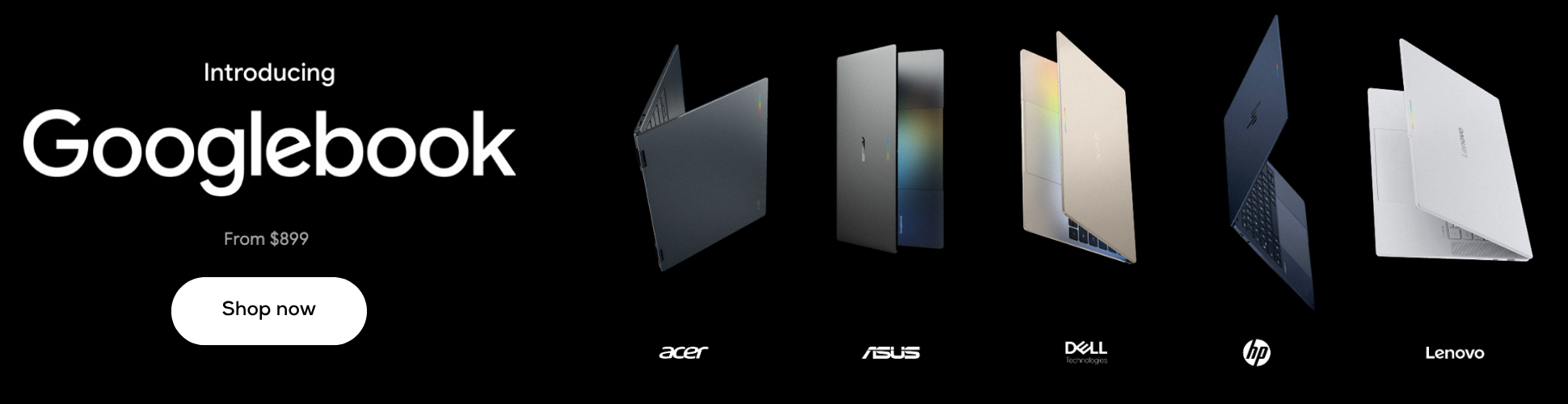
With the official Googlebook announcement behind us, we finally have a clearer picture of these new AI-powered laptops. We now know which brands will be building the first Googlebooks for the fall launch, but we also got official confirmation that Intel, Qualcomm, and MediaTek will supply the underlying processors.
And while all three are familiar names in the industry, MediaTek has been a frequent topic of discussion for us here lately; their Kompanio Ultra platform has powered several of our favorite recent Chromebook Plus releases, like the Lenovo Chromebook Plus 14 and the Acer Chromebook Plus Spin 514. However, new information from the company indicates a branding shift for the upcoming Googlebook ecosystem.
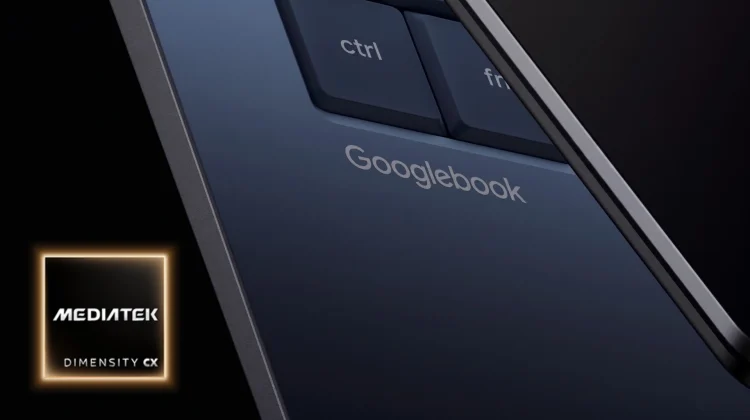
In a recent blog post, MediaTek confirmed they are moving away from the Kompanio branding for these new devices. Instead, they are bringing their flagship consumer brand to the platform. The first wave of MediaTek-powered Googlebooks will utilize the Dimensity platform, specifically under a new tier designated as Dimensity CX, which stands for Compute Experience.
The Dimensity advantage
MediaTek has historically reserved the Dimensity name for its high-end smartphones, while the Kompanio line handled Chromebooks. The decision to use the Dimensity brand for Googlebooks makes a lot of sense when you look at the underlying architecture of Google’s new operating system.
Because the Googlebook OS (or whatever it will be called) is built upon the Android tech stack, MediaTek has a big advantage. As a global leader in Android computing, MediaTek already powers billions of devices worldwide across smartphones and tablets. According to MediaTek’s announcement, this shared DNA means their processors do not just power a Googlebook; they are inherently optimized for it. By eliminating software translation layers, this native integration ensures maximum performance, deeper hardware-level AI processing, and a truly seamless transition between Android phones and Googlebooks.
A focus on local AI
Google is positioning the Googlebook as an AI-first device, designed heavily around Gemini Intelligence. As demand grows for lower latency applications that require local AI, the industry is rapidly shifting toward edge computing platforms that deliver immediate responsiveness directly on the device.
MediaTek highlighted that their powerful Neural Processing Units (NPUs) will deliver fast, local AI experiences in the most energy-efficient ways. This is critical for ensuring consumers can stay productive all day long on these devices. We want these local AI features to be immediately responsive, but we also do not want them draining the battery in a couple of hours.
After the initial announcement, we already knew that MediaTek, Qualcomm, and Intel were all on board for the initial Googlebook hardware launch this fall. But now seeing MediaTek bring its top-tier Dimensity branding to the table rather than reusing the Kompanio moniker tells us that they are treating this as a truly new, premium category.
SUBSCRIBE TO UPSTREAM
Get Chrome Unboxed delivered straight to your inbox
Upstream is our flagship, curated newsletter with the top stories, most click-worthy deals, giveaways, and trending articles from Chrome Unboxed sent directly to your inbox a few times a week. Join 31,000+ subscribers.

