
Support our independent tech coverage. Chrome Unboxed is written by real people, for real people—not search algorithms. Join Chrome Unboxed Plus for just $2 a month to get an ad-free experience, access to our private Discord, and more. Learn more about membership here.
START FREE TRIAL (MONTHLY)START FREE TRIAL (ANNUAL)
Last week, we uncovered a new Chromebook development board that houses the powerful Snapdragon X Plus SoC, and it’s clear that people are excited for this chip in upcoming Chromebooks. I’ve been saying it for a very, very long time, but high-end ARM silicon in slim/light Chromebooks just makes a ton of sense. And now it looks like we have a couple different options on the way for Chromebook fans.
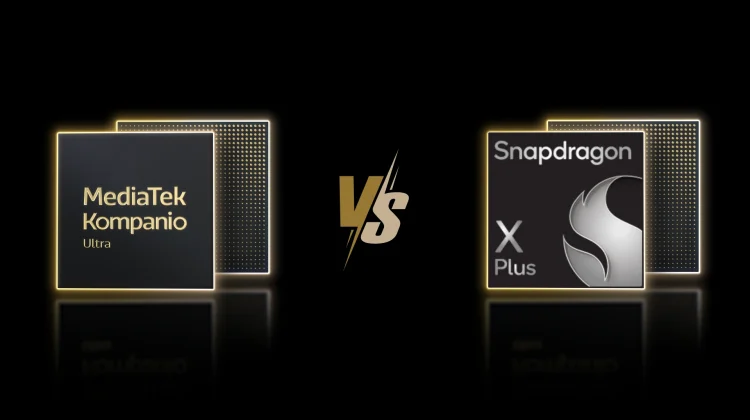
With all the new hype around a Snapdragon X Plus powered Chromebook of late, we don’t need to forget about the awesome potential that also lies in the MediaTek Kompanio Ultra that was recently made official. This Chromebook-specific chip will bring flagship-level performance to ChromeOS for certain, and before our discovery with the Snapdragon X Plus in the Chromium Gerrit, all the top-tier ARM-powered hopes for future Chromebooks hung on MediaTek.
But they now have some stiff competition if benchmarks are to be believed. Luckily, there are quite a few Geekbench results for ‘Navi’ out there (the code name of the first Chromebook that should hit the market with the Kompanio Ultra inside) and we can directly compare those with existing numbers from the Snapdragon X Plus that’s been in quite a few Windows PCs over the past year. The results show us that both chip makers will have a fight on their hands:

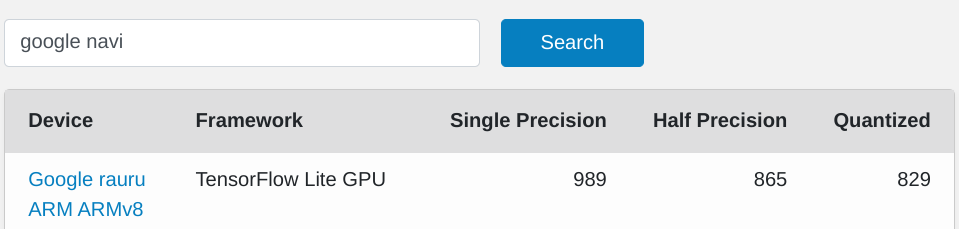
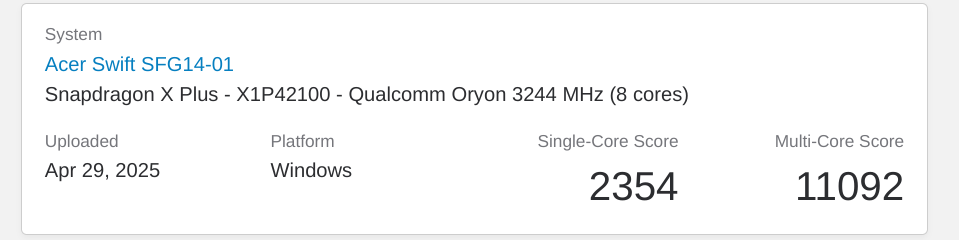

As you can see from the benchmark scores, the Kompanio Ultra holds an advantage in the single-core speed, but the Snapdragon X Plus wins quite handily in the multi-core category and in the NPU/AI results. Again, these are synthetic benchmarks and ‘Navi’ is still an unreleased product, so take all this with a grain of salt.
The exciting thing to talk about here is the fact that we now have two ARM SoCs in development for Chromebooks that are both more powerful than any other processors – ARM or x86 – that have come before.
When it comes to consumer electronics, competition is always a win. At the end of the day, you can’t lose with either of these SoCs in a Chromebook, so it will be interesting to see which manufacturers choose to go with MediaTek and which choose to side with Qualcomm. Both will be great options, so it will come down to price and features once these devices actually launch, and this is great scenario for Chromebook enthusiasts for sure.
We’re keeping very close eyes on both SoCs in the Chromium Gerrit, and as more details emerge for either, we’ll be sure to let you know (we have quite a bit already uncovered for ‘Navi’ thus far). It’s an incredibly exciting time for Chromebooks right now, despite all the uncertainty swirling with the move to the Android Kernel and Google’s ongoing feud with the DOJ that threatens the sell-off of Chrome. Chromebook development is pushing forward regardless, and we’re here for it!
SUBSCRIBE TO UPSTREAM
Get Chrome Unboxed delivered straight to your inbox
Upstream is our flagship, curated newsletter with the top stories, most click-worthy deals, giveaways, and trending articles from Chrome Unboxed sent directly to your inbox a few times a week. Join 31,000+ subscribers.

