
Support our independent tech coverage. Chrome Unboxed is written by real people, for real people—not search algorithms. Join Chrome Unboxed Plus for just $2 a month to get an ad-free experience, access to our private Discord, and more. Learn more about membership here.
START FREE TRIAL (MONTHLY)START FREE TRIAL (ANNUAL)
Just when we thought we had a clear-ish picture of Google’s desktop roadmap, a new leak has thrown a potential wrench into the mix. We have been tracking the development of Project Aluminium for months. But according to a new report, Samsung is preparing to enter the chat, and they might be bringing their own heavily customized software along for the ride.
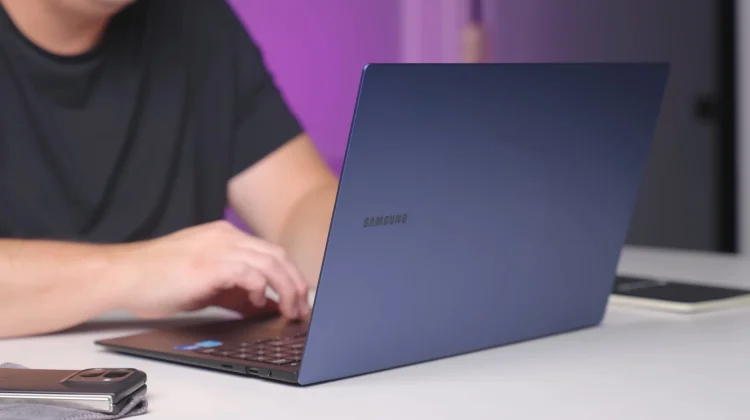
According to an exclusive from SamMobile, Samsung is currently developing a new lineup of Galaxy Book laptops powered by Android 17 and One UI 9. While this sounds incredibly exciting for the broader Android ecosystem, it raises some massive questions about what the future of the Android-powered laptop actually looks like.
What Samsung is building
The report claims that Samsung has three different Android-based Galaxy Books in the works: a low-end, mid-range, and a sleek flagship model designed to compete with high-end hardware. Naturally, these devices will lean heavily into the Galaxy AI features we’ve seen on the S-series phones, alongside an improved, productivity-focused version of Samsung DeX.
However, it is the underlying OS that has me scratching my head a bit. The leak explicitly mentions Android 17 and One UI 9, but also name-drops Google’s upcoming Aluminium OS. This leaves us looking at three very distinct possibilities for this hardware, ranging from thrilling to deeply concerning. Here are a few possibilities.
Possibility 1: Samsung goes rogue with pure Android + DeX
In this first scenario, Samsung completely bypasses the ChromeOS/Aluminium foundation and simply slaps Android 17 on a laptop with a super-charged DeX interface. We already know DeX is a surprisingly capable desktop environment. If Samsung decides they don’t need Google’s desktop OS and just scales up their phone UI natively, it creates an immediate, fragmented rival to whatever Google is building with Aluminium. While I hope that’s not what’s happening, here, I think it is highly likely.
Possibility 2: It’s just a rebranded Aluminium OS
This is definitely the most optimistic take. It’s entirely possible that these Galaxy Books are part of the upcoming Aluminium OS devices we’ve been waiting for, and “One UI 9” is simply Samsung’s marketing spin on a few Galaxy-specific apps and AI features. If this is the case, Samsung gets to sell premium hardware under its recognizable branding, while Google maintains a unified desktop ecosystem.
Possibility 3: The muddied waters of Aluminium OS + One UI Skin
This one is problematic just like scenario 1, but in a different way. What if Google allows OEMs to heavily skin Aluminium OS, much like they do with standard Android on smartphones? If Samsung is allowed to layer a heavy One UI 9 interface over Google’s new desktop OS, the waters instantly become muddy.
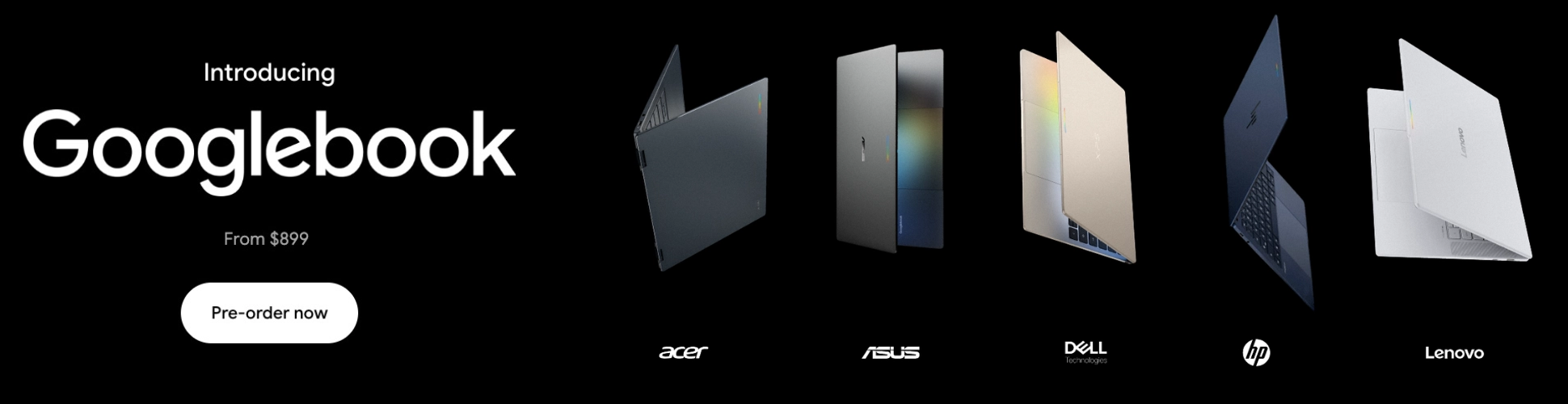
One of the greatest strengths of ChromeOS has always been its uniform, reliable, and clean experience across every single device. If you buy an Acer, an HP, or a Lenovo, you know exactly what the software will look and feel like. If Aluminium OS opens the door for heavy OEM customization, we could be looking at a future where Android laptops suffer from the same update delays, bloatware, and fragmented user experiences that plagued Android tablets and phones for years.
A fragmented future
There is no denying that Samsung building dedicated, flagship Android laptops is a massive win for the platform’s legitimacy. A premium Galaxy Book Ultra running a desktop-class Android OS sounds like a pretty awesome thing.
But as we inch closer to Google I/O in May 2026, where we expect to hear much more about Android 17 and Project Aluminium, I have to wonder: is Google building a unified desktop operating system, or are they just handing out the building blocks and letting the OEMs run wild? If it’s the latter, the next era of Chromebooks (or whatever they will be called) could get incredibly messy.
SUBSCRIBE TO UPSTREAM
Get Chrome Unboxed delivered straight to your inbox
Upstream is our flagship, curated newsletter with the top stories, most click-worthy deals, giveaways, and trending articles from Chrome Unboxed sent directly to your inbox a few times a week. Join 31,000+ subscribers.

