
Support our independent tech coverage. Chrome Unboxed is written by real people, for real people—not search algorithms. Join Chrome Unboxed Plus for just $2 a month to get an ad-free experience, access to our private Discord, and more. Learn more about membership here.
START FREE TRIAL (MONTHLY)START FREE TRIAL (ANNUAL)
Around here lately, we have been keeping a close eye on the clues surrounding Samsung’s upcoming Android laptop ambitions. Back in October, when the mysterious XE940XSA surfaced on Geekbench with a Snapdragon X Elite chip and Android 17, I argued that this leaked machine likely wasn’t a Googlebook at all. Then earlier this month, Samsung was spotted rebuilding Samsung Internet with a true PC-style desktop interface and side-by-side split tabs – the exact kind of software groundwork you only do if you are shipping your own standalone computer.
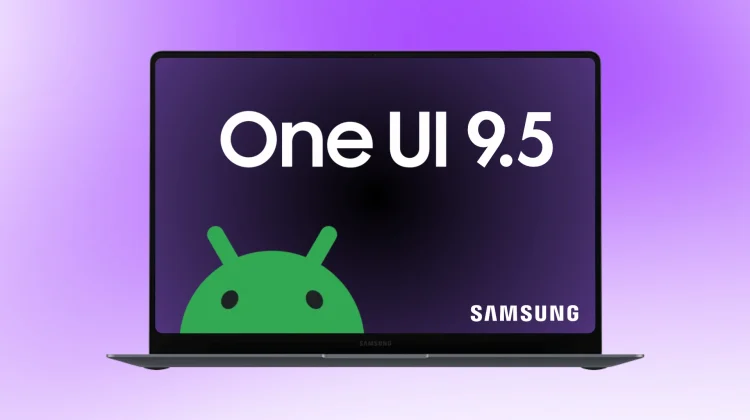
Now, a new teardown of Samsung’s One UI 9.5 Beta 1 over at Android Authority practically puts the debate to rest. The code reveals two Wi-Fi-only clamshell laptops codenamed “origin14wifi” and “origin16wifi” (carrying model numbers XE940 and XE960) powered by Qualcomm’s 12-core Snapdragon X Elite. While that report throws out the idea that Samsung might simply be layering One UI on top of Googlebook OS, we know that isn’t how Google is handling its tightly controlled Googlebook platform. Furthermore, the complete absence of “Googlebook” or “Aluminium” anywhere in Samsung’s code tells the real story – these devices are not Googlebooks.
Android Desktop with One UI, not Googlebook OS
Googlebook OS isn’t an open skinning playground where OEMs swap out the entire desktop shell. Instead of signing onto Google’s uniform interface, Samsung is taking advantage of Android 17’s underlying Android Desktop foundation and wrapping it in its own One UI 9.5 desktop experience.
Looking at the strings inside One UI 9.5, everything points to a self-contained Galaxy Book running Android rather than a Googlebook in disguise:
- Hardware specs: Both the 14-inch XE940 and 16-inch XE960 run on the 12-core Snapdragon X Elite (X1E-80-100) with 16GB of RAM, with the 16-inch model showing clear signs of touchscreen support.
- Enterprise and desktop hooks: The OS framework explicitly checks for the “origin14wifi” and “origin16wifi” codenames to enable managed user profiles, custom screen zoom scaling, keyboard backlight controls, and haptic touchpad settings.
- Galaxy ecosystem integration: Samsung is baking in on-device Galaxy AI tools like Gauss, Circle to Search in the taskbar, Storage Share across Galaxy devices, and Smart View Second Screen support.
The juxtaposition here is pretty fascinating. Samsung clearly looked at what Google was building with Googlebook OS and decided they had better ideas on how an Android on a laptop should actually look, feel, and function. Given how many years Samsung has spent iterating on DeX and tablet multitasking and knowing that a huge swath of Galaxy phone users would likely jump at the chance to try a cohesive, One UI-powered laptop, you can’t really blame them for taking this swing.
Why Samsung going its own way is great for everyone
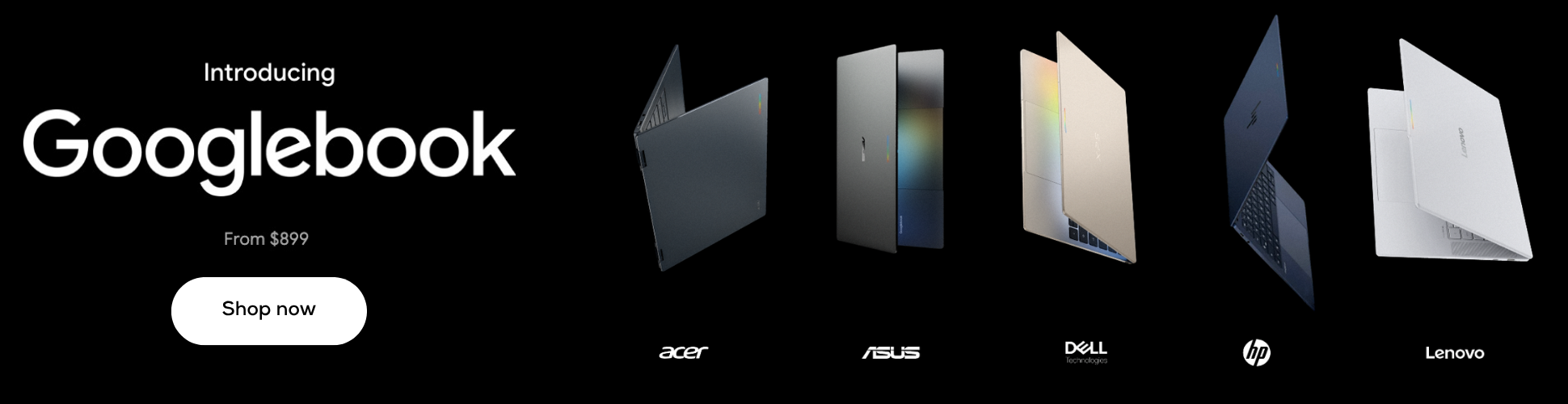
In daily use, Googlebook OS is still very much an early work-in-progress with plenty of desktop UI quirks and missing ChromeOS staple features. Having Samsung ship these new laptops with the exact same Snapdragon X Elite silicon as the Dell and HP Googlebook with a completely different vision for Android on a laptop creates the exact kind of competition this space needs.
If Samsung nails the desktop windowing, multitasking, and phone synergy out of the gate alongside the Galaxy S27 early next year, it is going to put massive pressure on Google to clean up Googlebook OS and ship missing desktop features a whole lot faster. And if Samsung’s custom One UI approach ends up feeling too fragmented or misses the mark? The beauty of building on fairly standard laptop hardware is that Samsung could easily pivot and ship a proper Googlebook down the road if they chose to do so.
Either way, seeing different companies actually compete on how Android should work on a real laptop makes early 2027 way more exciting than I expected. Between more affordable Wildcat Lake Googlebooks on the horizon and Samsung testing the waters with its own One UI spin, we are about to find out which vision of Android on the desktop actually wins people over.
SUBSCRIBE TO UPSTREAM
Get Chrome Unboxed delivered straight to your inbox
Upstream is our flagship, curated newsletter with the top stories, most click-worthy deals, giveaways, and trending articles from Chrome Unboxed sent directly to your inbox a few times a week. Join 31,000+ subscribers.

