
Support our independent tech coverage. Chrome Unboxed is written by real people, for real people—not search algorithms. Join Chrome Unboxed Plus for just $2 a month to get an ad-free experience, access to our private Discord, and more. Learn more about membership here.
START FREE TRIAL (MONTHLY)START FREE TRIAL (ANNUAL)
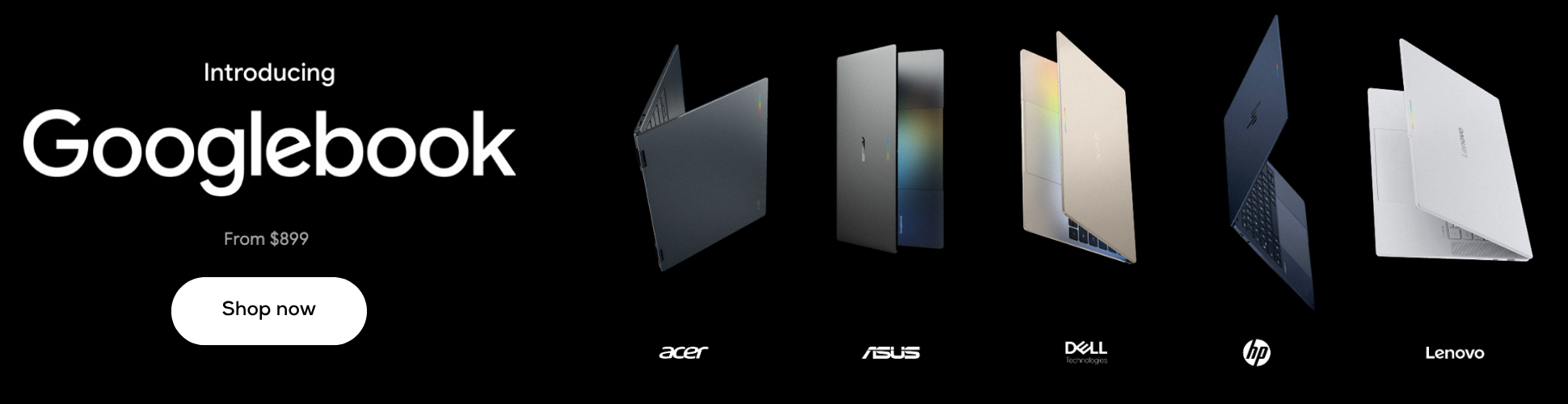
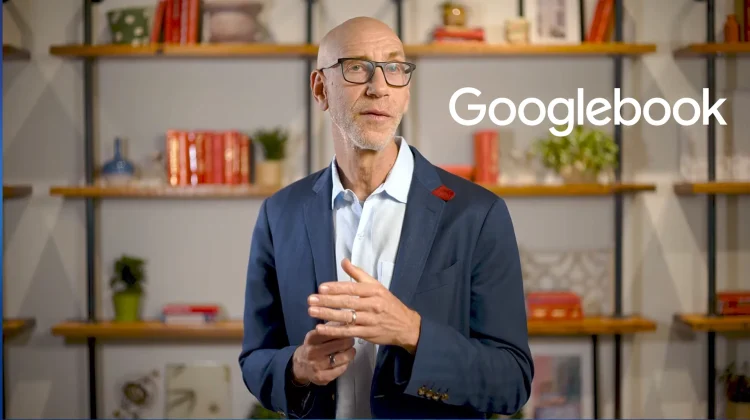
When Acer teased its upcoming Googlebook at IFA 2026 in Berlin earlier this week, the spotlight naturally turned to the “Coming Soon” teaser slide and the silhouetted, sleek clamshell chassis. But watching back the full keynote presentation, the most compelling takeaway for me wasn’t a Googlebook tease at all; it was the framing delivered by Google’s VP of ChromeOS, John Solomon.
Taking the stage during the Next@Acer IFA Global Press Conference, Solomon drew a direct historical parallel between the birth of Chromebooks fifteen years ago and what Google is about to unleash with Googlebook. It was a succinct, grounded perspective on why this transition is happening, and it sheds a bit of light on how important Google feels this upcoming moment truly is in the larger scheme of things.
15 years ago: re-imagining the laptop for the cloud
When Google first introduced ChromeOS and the original Chromebooks back in 2011, personal computing was locked in a very rigid box. Laptops were weighed down by bloated desktop operating systems, endless update cycles, driver headaches, and local software installs that demanded heavy maintenance.
Google looked at how people actually used computers and realized the world was moving to the web. Chromebooks stripped away decades of legacy OS bloat to deliver an instant-on, fast, and secure computing device purpose-built for an emerging “cloud-first” world.
It took years of iteration, but that core thesis proved right: today, vast swaths of modern business, enterprise workflows, and education live entirely in the browser, and Chromebooks were there way before anyone else.
A transition to an AI-centered computing world
Fast forward fifteen years, and personal computing is facing another monumental paradigm shift. As Solomon pointed out, Googlebook represents the exact same philosophical pivot for today’s AI-centered computing world that Chromebooks represented for the cloud-first era.
Computing isn’t just about rendering web pages and running app anymore; it’s about contextual intelligence, seamless cross-device continuity, on-device AI models, and ambient assistance that can anticipate your next move. Just as ChromeOS was engineered from the ground up around the Chrome browser, Googlebook is engineered around native Android architecture and deep Gemini Intelligence.
It’s an intentional, platform-wide reset designed to ensure Google’s laptops aren’t just keeping up with modern computing demands, but actively defining how we interact with our screens over the next decade.
The real details are still reserved for New York
While Solomon’s framing reiterated some high-level insight into Google’s philosophy, it’s worth setting expectations: Acer’s IFA presentation did not reveal any real secrets about the hardware or the OS.
Acer showed off a clean slide, emphasized its 15-year partnership with Google, and confirmed that its first Googlebook is “coming soon.” Beyond that brief glimpse and Solomon’s big-picture remarks, Acer kept the lid firmly shut on exact processor specs, display panels, pricing, and software branding.
Given what we know is just around the corner, that restraint makes complete sense. Google has organized its own dedicated, in-person media preview event in New York City on September 15. That is where the curtain will officially lift on the finished hardware, the demo stations from OEM partners, and the hands-on software experience.
Still, hearing Google’s high-level leadership articulate the mission behind Googlebook reinforces what we’ve felt for months: this isn’t just a minor marketing refresh or a quick hardware spec bump. It’s the beginning of a brand-new, 15-year computing chapter, and we only have a few more days before we see it in action.
SUBSCRIBE TO UPSTREAM
Get Chrome Unboxed delivered straight to your inbox
Upstream is our flagship, curated newsletter with the top stories, most click-worthy deals, giveaways, and trending articles from Chrome Unboxed sent directly to your inbox a few times a week. Join 31,000+ subscribers.

