Support our independent tech coverage. Chrome Unboxed is written by real people, for real people—not search algorithms. Join Chrome Unboxed Plus for just $2 a month to get an ad-free experience, access to our private Discord, and more. Learn more about membership here.
START FREE TRIAL (MONTHLY)START FREE TRIAL (ANNUAL)
In the tech world, we’re pretty accustomed to rigid, alphanumeric naming conventions, especially when it comes to high-end AI models. However, Google DeepMind’s latest viral hit, “Nano Banana,” breaks that mold entirely. While it is officially known in technical circles as Gemini 2.5 Flash Image, the quirky codename has become the primary brand for what is now the top-rated image editing model in the world. How it happened is an interesting story.
The origin of the name wasn’t the result of a multi-month branding study or a marketing focus group. Instead, it was born out of a 2:30 a.m. scramble to find a placeholder for LMArena, a public platform where AI models are tested anonymously in side-by-side comparisons. Because models in development need codenames to keep the testing blind, the team needed something distinctive, and they needed it immediately.
A mashup of personal nicknames
Product Manager Naina Raisinghani is the source of the nonsensical name. Facing a deadline in the middle of the night, she decided to smush her two personal nicknames together. Her friends often call her “Naina Banana,” while “Nano” is a frequent shorthand because of her height and her affinity for computers.
The team agreed the name was completely ridiculous, but they ran with it because the model itself was a “Flash” version, making the “Nano” prefix feel somewhat appropriate for a faster, lighter iteration of their silicon. When the model debuted on LMArena in early August, the AI community was struck by two things: the model’s incredible ability to maintain character consistency during complex edits and its absolutely bizarre name.
From placeholder to permanent brand
As the model moved through public testing, the “Nano Banana” moniker began to take on a life of its own. Social media discourse grew rapidly as users were impressed by the model’s ability to remix photos, restore old images, and follow “culturally relevant” prompts like the figurine trend in Thailand or the saree trend in India. By the time the model was ready for its official launch, Google realized that the codename was too popular to abandon.
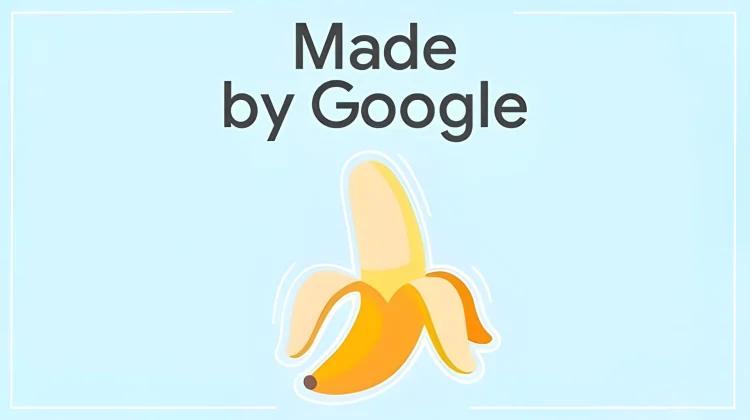
Instead of pivoting back to a dry, technical title, Google embraced the silliness. The “run” button in AI Studio was turned yellow, a banana emoji was added to the image generation chip in the Gemini app, and the team even began producing banana-themed swag. The model proved to be a massive hit, available globally from day one for both developers and casual consumers.
The arrival of Nano Banana Pro
With the launch of Gemini 3 Pro Image, Google has officially integrated the brand into its next-generation hardware. The updated model is now referred to as Nano Banana Pro, continuing the legacy of that initial late-night decision. This newer version allows users to prompt Gemini with text, images, or a combination of both to iterate on visuals with even greater precision, including significantly improved accuracy for legible text within images.
The success of Nano Banana highlights a more human, approachable side of Google’s AI development. While the underlying technology is incredibly complex, the branding reflects the team’s willingness to lean into the unexpected. As we move further into the Gemini 3 era, it’s clear that “Nano Banana” is here to stay, proving that sometimes the best branding comes from a bit of late-night inspiration.
SUBSCRIBE TO UPSTREAM
Get Chrome Unboxed delivered straight to your inbox
Upstream is our flagship, curated newsletter with the top stories, most click-worthy deals, giveaways, and trending articles from Chrome Unboxed sent directly to your inbox a few times a week. Join 31,000+ subscribers.

