
Support our independent tech coverage. Chrome Unboxed is written by real people, for real people—not search algorithms. Join Chrome Unboxed Plus for just $2 a month to get an ad-free experience, access to our private Discord, and more. Learn more about membership here.
START FREE TRIAL (MONTHLY)START FREE TRIAL (ANNUAL)
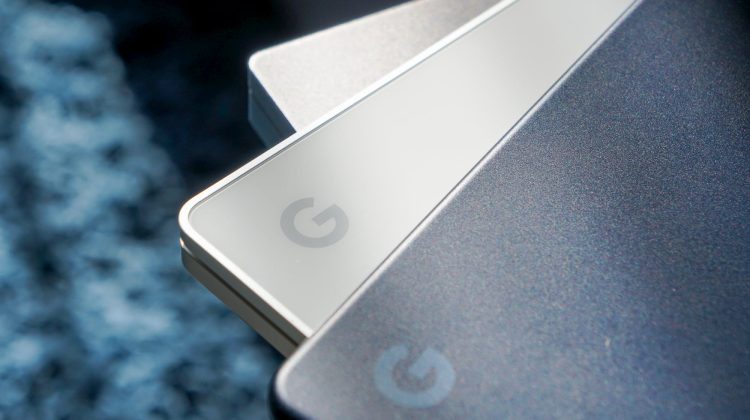
The desire for a new, Google-made Pixelbook never really goes away, does it? The original Pixelbook and the Pixelbook Go that followed were iconic, beloved devices that still represent a high watermark for Chromebook hardware (yes, I’m leaving the Pixel Slate out of this part of conversation). Yet, for years, I’ve argued that a new first-party Chromebook from Google didn’t really make sense.
My reasoning was simple: Google-made Chromebooks have always existed to “light the way” for OEM partners, not to compete with them. As an example, a new Pixelbook built just to show off a Pixel-exclusive Tensor chip would have been anti-competitive and against the spirit of the ChromeOS partnership. There was no new hardware paradigm that needed a guiding star, thus it never materialized.
But the game has changed. With the impending, foundational shift of ChromeOS to the Android kernel, the argument for a new Pixelbook is stronger than it has ever been. In fact, for the first time in a long time, it feels like something that might actually happen.
Revisiting the purpose of a Pixelbook
To understand why my thinking has changed, we have to remember the original purpose of a Pixelbook. The Chromebook Pixels, the Pixelbook, the Pixel Slate, and the Pixelbook Go all arrived at moments when the market needed a nudge in a new direction. They introduced concepts like premium builds, 3:2 convertible designs, and high-end tablet experiences, giving partners like HP, ASUS, and Lenovo a blueprint to follow.
A few years ago, there wasn’t a new hardware concept like that on the horizon. Laptops had matured, and the only unique thing Google could have brought to the table was its own Tensor chip. A Pixelbook built around a proprietary SoC wouldn’t have been a guiding light; it would have been a walled garden, putting Google in direct competition with the partners it’s meant to be leading. It just didn’t make any sense.
The Android Kernel changes the entire equation
The official announcement that ChromeOS would be embracing the Android Linux kernel and other parts of the Android stack was a big shift that we’re still waiting on. As we’ve discussed, this isn’t just about making Android apps run a bit better. This is about a deep, foundational integration designed to “accelerate the pace of AI innovation” and “help different devices like phones and accessories work better together with Chromebooks.”
This isn’t just a minor, under-the-hood change. It’s a fundamental shift in the philosophy of the platform, moving from two distinct operating systems that talk to each other to a single, deeply integrated vision moving forward for Google’s hardware divisions. And a change this significant, this foundational, needs a halo device to showcase its full potential.
The perfect showcase moment
A new Pixelbook, built in this new era, wouldn’t just be about showing off a chip. It would be about demonstrating the pinnacle of the integrated experience. Imagine a Pixelbook that works so seamlessly with your Pixel phone, Pixel Watch, and Pixel Buds that it feels like a single, cohesive ecosystem—because, for the first time, it would be built on the same foundational DNA.
This new Pixelbook wouldn’t be anti-competitive; it would be aspirational. It would show other OEMs what is truly possible with this new, Android-infused version of ChromeOS and encourage them to build their own deeply integrated experiences. It would once again light the way.
In a world where Google’s hardware—phones, watches, buds, tablets—is all unified under the “Pixel” brand, the absence of a “Pixelbook” feels more glaring than ever. The reason for its return is no longer just a desire for a pretty piece of hardware to appease those of us who are massive Chromebook fans. The reason is the platform itself; and the time is right.
SUBSCRIBE TO UPSTREAM
Get Chrome Unboxed delivered straight to your inbox
Upstream is our flagship, curated newsletter with the top stories, most click-worthy deals, giveaways, and trending articles from Chrome Unboxed sent directly to your inbox a few times a week. Join 31,000+ subscribers.

