
Support our independent tech coverage. Chrome Unboxed is written by real people, for real people—not search algorithms. Join Chrome Unboxed Plus for just $2 a month to get an ad-free experience, access to our private Discord, and more. Learn more about membership here.
START FREE TRIAL (MONTHLY)START FREE TRIAL (ANNUAL)
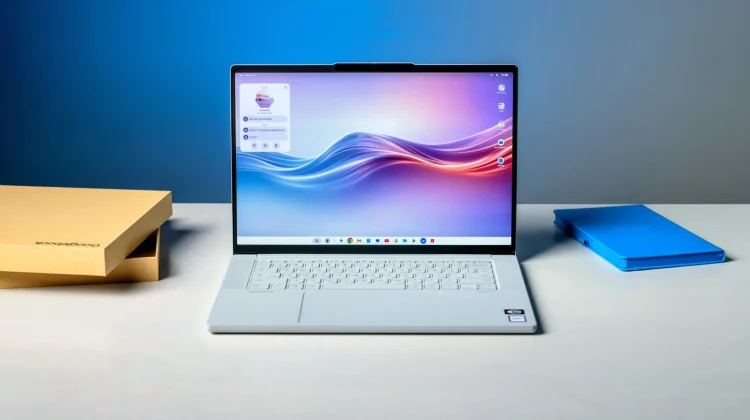
When you pay a premium for an OLED screen on your laptop, you do it for one primary reason: perfect, inky blacks that deliver incredible contrast and color. Over the past week, however, early adopters across the Googlebook community noticed an infuriating visual quirk during movie playback and dark-room browsing. Instead of shutting off individual pixels to deliver true zero-nit blacks, letterbox bars and dark scenes were glowing with an unmistakable, cloudy dark gray tint.
Given how expensive these machines are, several buyers began wondering if their laptops had defective display panels or if they needed to initiate retail returns before return windows expired. Thankfully, Google’s Mishaal Rahman stepped into the community to clear the air, confirming that Google has isolated the root cause and is actively preparing a software update to fix it.
What is happening to Googlebook OLED panels
The issue began gaining steam in an active r/Googlebook discussion, where owners of both Acer and Lenovo models compared notes. While watching dark films on Netflix or full-screen YouTube videos, users noticed that black levels looked more like an edge-lit LCD display with backlight bleed than a true OLED panel.
Tinkering under the hood revealed that this was not a physical hardware failure. In fact, if you reboot an affected machine, the initial bootloader splash screen displays true, pixel-off inky blacks. The moment Googlebook OS loads into the desktop environment, those same black values shift to dark gray.
Even when digging into the underlying graphics settings, everything looks completely normal on paper. In reality, it looks like a simple bug in how Android 17 handles display color on Intel chips, mistakenly washing out pure blacks into a hazy gray.
Do not return your hardware
Before frustrated owners packed up their laptops to take them back to Best Buy, Mishaal Rahman chimed in directly on Reddit to reassure early adopters:
Hi there, thanks for flagging this issue to us. Our engineering team has identified the root cause and is working on getting out a fix ASAP. We’ll keep you posted!
When community members asked whether Google was confident that this could be resolved entirely over the air without physical repairs, Mishaal confirmed:
Yes, the team believes we can fix this issue with an update. I don’t have an exact ETA to share, but we’re working to push this fix out as soon as we can!
Mishaal added another quick note to the thread earlier today, letting owners know that he should have a more detailed progress update to share with the community shortly.
As we noted in our initial impressions of Googlebook OS, building a brand-new desktop computing platform on top of Android was always going to come with early calibration wrinkles. The encouraging takeaway is how rapidly Google’s engineering team is acknowledging and patching community feedback.
We will keep testing the OLED Googlebooks we have in the office against dark movie scenes and test patterns, and we will update you the moment Google pushes the over-the-air fix to restore true inky blacks.
SUBSCRIBE TO UPSTREAM
Get Chrome Unboxed delivered straight to your inbox
Upstream is our flagship, curated newsletter with the top stories, most click-worthy deals, giveaways, and trending articles from Chrome Unboxed sent directly to your inbox a few times a week. Join 31,000+ subscribers.

