
Support our independent tech coverage. Chrome Unboxed is written by real people, for real people—not search algorithms. Join Chrome Unboxed Plus for just $2 a month to get an ad-free experience, access to our private Discord, and more. Learn more about membership here.
START FREE TRIAL (MONTHLY)START FREE TRIAL (ANNUAL)
If you use a premium Android phone but rely on a MacBook or Windows laptop for your daily workflow, you already know the regular frustration of living outside of one digital ecosystem. While the iPhone enjoys fluid, seamless cross-device communication with MacBook, Android users on MacOS are far from that sort of experience with their laptop of choice – unless they are using a Chromebook. And even then, the “Better Together” connection isn’t always the best. And the reality is clear: a truly integrated ecosystem requires deep, native hardware and software alignment.
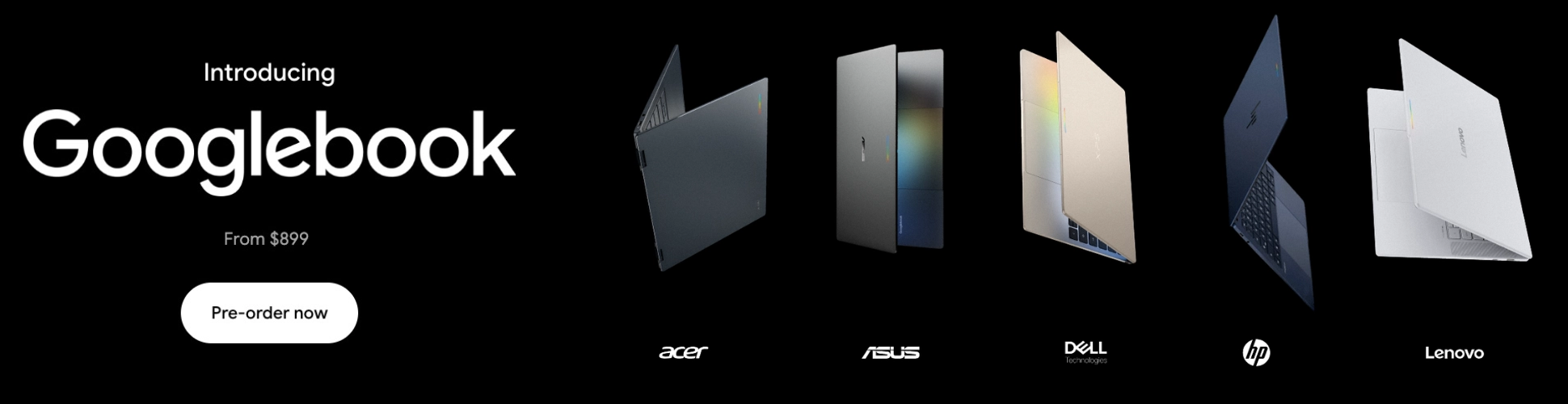
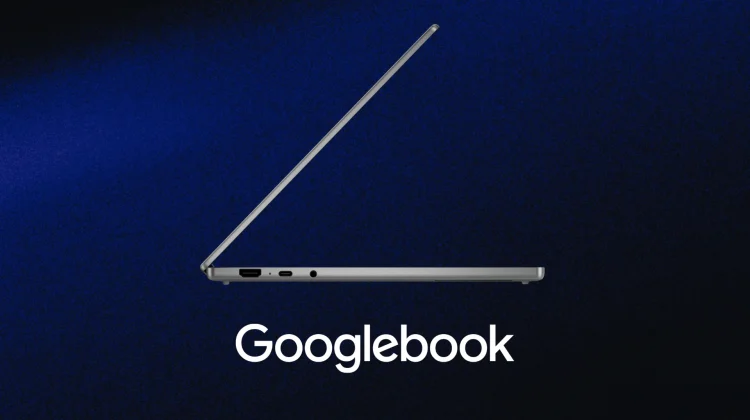
During our recent virtual sit-down interview with Google VP John Maletis, he tackled this exact ecosystem problem during our discussion. As Google preps the launch of the new Googlebook category this fall, Maletis made it clear that establishing the absolute definitive laptop companion for premium Android phone users is a core pillar of the entire project – but not at the expense of iPhone users.
Filling a massive gap in the mobile market
Google has done some work already to build out its “Better Together” feature suite, rolling out tools like Quick Share and cross-device hotspot tethering to help Android phones communicate with ChromeOS. But because those platforms were engineered on separate architectural foundations, expanding those features and maintaining total stability across devices has always been a complex engineering challenge. According to Maletis, this exact frustration was a major catalyst for embarking on the Googlebook project a few years ago.
“I think these Googlebooks are going to be incredible devices for anyone regardless of what type of phone you use,” Maletis told us during the interview. “But I think if you’re an Android phone user, and a premium Android phone user if I’m being super honest, I don’t think that that person has had a great companion option.”
While the Apple ecosystem has spent a decade using continuity features as a walled garden to lock consumers into buying both iPhones and MacBooks, premium Android owners have been largely marooned without a flagship computing counterpart that respects their choice of mobile device. The Googlebook is explicitly designed to change that dynamic.
The power of a unified tech stack
The secret weapon allowing Google to fast-track this companion experience comes down to what is under the hood. By transitioning the Googlebook category away from the legacy frameworks of ChromeOS and building it directly on top of the native Android tech stack, the laptop and the phone are finally speaking the exact same structural language.
“A lot of work was going into that [cross-device connection] previously,” Maletis explained. “But when we’re on the same tech stack, that gets much faster. We can move so much faster on this. Reliability and stability of Better Together experiences goes up.”
When your phone and your laptop share a native DNA, the friction of cross-platform communication completely vanishes. It allows Google to implement incredibly fast wireless data transfer pipelines, instantaneous notification mirroring, and fluid, context-aware AI routines that sync across both screens in real time without dropping connection or draining your battery. It elevates the laptop from a separate computing accessory into a true extension of your phone.
iPhone users aren’t forgotten
While the optimization is explicitly tuned to deliver exciting experiences for the Android faithful, Google isn’t looking to build an exclusionary, anti-competitive ecosystem. Maletis was quick to point out that the hardware stack and underlying architecture are being constructed with flexibility in mind, meaning the system will still offer deep, high-performance web utility for users on “other mobile operating systems” as well.
For over a decade, recommending a Chromebook that worked nicely with your Android phone (and not at all with an iPhone) usually came with a list of caveats and explanations about how to workflow around traditional software limitations. By delivering a fleet of premium, beautifully designed laptops that natively lock arms with the most popular mobile ecosystem on the planet (and manage to make nice with iPhone, too), Google is making a pretty massive play with Googlebook. And we don’t have too much longer to wait for it, either.
SUBSCRIBE TO UPSTREAM
Get Chrome Unboxed delivered straight to your inbox
Upstream is our flagship, curated newsletter with the top stories, most click-worthy deals, giveaways, and trending articles from Chrome Unboxed sent directly to your inbox a few times a week. Join 31,000+ subscribers.

