
Support our independent tech coverage. Chrome Unboxed is written by real people, for real people—not search algorithms. Join Chrome Unboxed Plus for just $2 a month to get an ad-free experience, access to our private Discord, and more. Learn more about membership here.
START FREE TRIAL (MONTHLY)START FREE TRIAL (ANNUAL)
We covered the Galaxy S26 launch last week, but amidst the noise of AI agents and spec bumps, one feature in particular caught my eye. Samsung has quietly integrated something into the S26 Ultra that might just be the most practical innovation we’ve seen in years: a built-in, hardware-level Privacy Display. And to be clear, this isn’t some software trick or a cheap filter. This is an actual change to the display technology itself, and I’m genuinely impressed.
How it actually works
Unlike those plastic privacy screen protectors that permanently dim your screen and ruin your viewing angles, Samsung’s solution is baked directly into the pixel structure of the S26 Ultra. Samsung is calling it “Flex Magic Pixel” technology.
In simple terms, the display uses a combination of wide and narrow pixels. When you are using the phone normally, everything fires as expected, giving you that brilliant, punchy Samsung OLED experience we all know and love. But with a quick toggle in the quick settings panel, the screen shifts gears. It restricts light dispersion, effectively “turning off” visibility from side angles while keeping the image crisp for the person looking head-on.
Why you should care
If you have ever tried to check your bank balance on a crowded flight or read a sensitive work email on the subway, you know the “shoulder surfer” anxiety. Until now, your only solution was a stick-on privacy screen that degraded your display quality 100% of the time, even when you were safe at home on your couch.
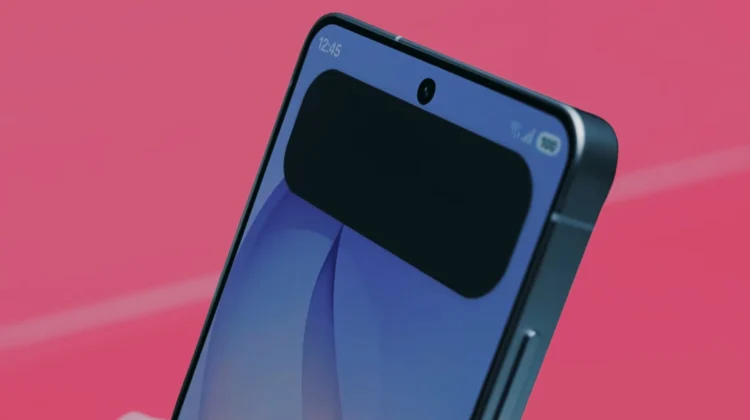
The S26 Ultra solves this by making privacy on-demand. You can toggle it on when you’re in public and turn it off when you’re back home. Even better, Samsung has added granular controls that allow you to automate the process. You can set the Privacy Display to kick in automatically when you open specific apps—like your banking or work email—or have it trigger only for notification pop-ups. This “Partial Screen Privacy” mode is brilliant, obscuring just your incoming texts while leaving the rest of your screen bright and visible.
It’s not perfect, but it’s close
Early testing suggests that while this feature is incredibly effective in bright environments, it does come with a slight trade-off in peak brightness when activated. Some users have also noted that “Maximum Privacy” mode can give the screen a slightly cooler, blue-ish tint.
However, compared to the alternative of permanently ruining a $1,300 phone’s display with a cheap plastic film, this is a massive leap forward. It is exactly the kind of meaningful, hardware-driven innovation that actually separates the “Ultra” moniker from the rest of the pack.
The Galaxy S26 Ultra is available for pre-order now, and if you value your privacy as much as your screen real estate, this might be the upgrade you’ve been waiting for.
SUBSCRIBE TO UPSTREAM
Get Chrome Unboxed delivered straight to your inbox
Upstream is our flagship, curated newsletter with the top stories, most click-worthy deals, giveaways, and trending articles from Chrome Unboxed sent directly to your inbox a few times a week. Join 31,000+ subscribers.

