
Support our independent tech coverage. Chrome Unboxed is written by real people, for real people—not search algorithms. Join Chrome Unboxed Plus for just $2 a month to get an ad-free experience, access to our private Discord, and more. Learn more about membership here.
START FREE TRIAL (MONTHLY)START FREE TRIAL (ANNUAL)
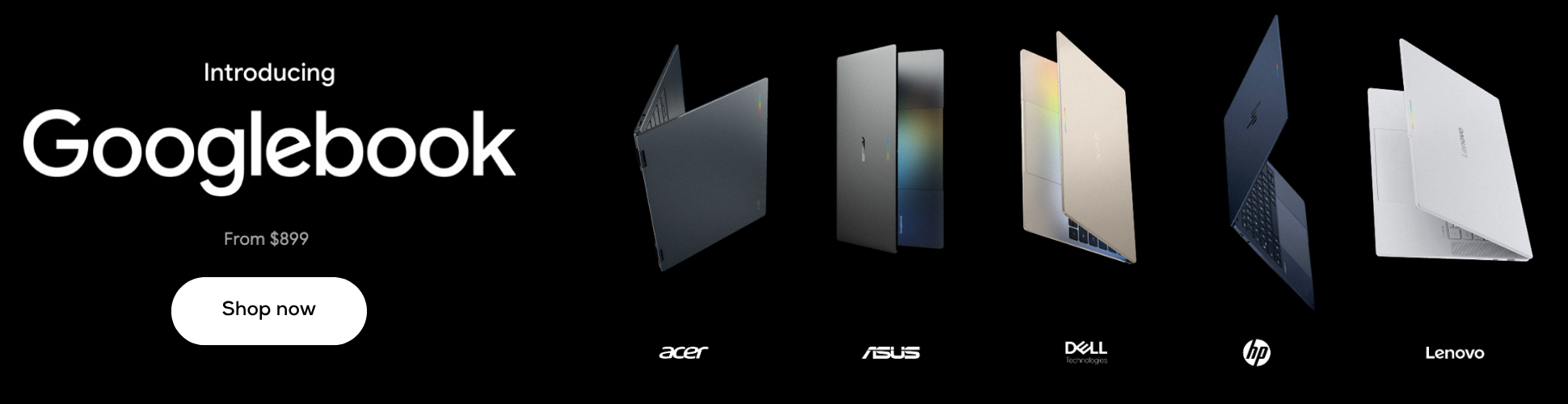
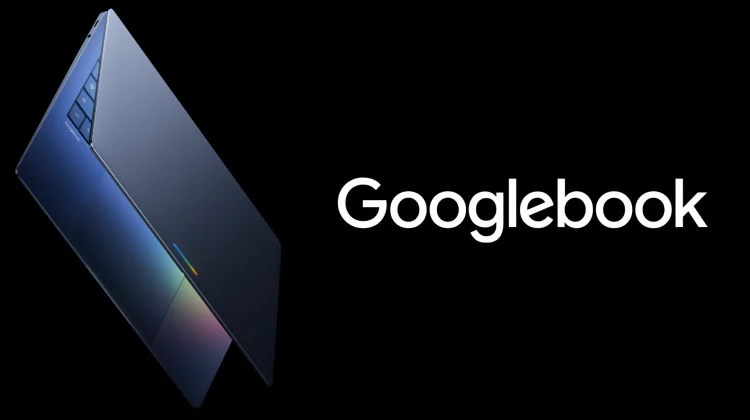
Ever since Google pulled back the curtain on the Googlebook category, one thing has been made abundantly clear: the initial hardware wave arriving this fall is going to be a decidedly premium affair. With Google attaching its prime corporate branding to the devices, enforcing rigid manufacturing specifications, and reviving the beloved, iconic Glow Bar, it makes perfect sense that the industry is focusing heavily on the high-end nature of these upcoming laptops. Google is aiming squarely for a top-tier, polished experience out of the gate.
But while the launch window is firmly focused on premium hardware to compete with the best of the market, that isn’t the entire story. There is another crucial layer to Google’s roadmap that stretches beyond the fall release.
During our recent sit-down interview with Google VP John Maletis, we talked about how Google is positioning the hardware ecosystem for this brand-new category. While he solidified the fact that the platform is intentionally starting at the high end, he added some vital context about the future of Googlebook pricing that should give everyday, budget-conscious buyers a lot to look forward to.
More affordable Googlebooks are on the horizon
When launching an entirely new hardware category, starting at the top tier is a classic, highly calculated product strategy. It allows Google and its core launch window partners to establish a firm baseline of premium quality, show off what native, un-emulated desktop Android applications can truly do, and showcase the absolute peak of the platform’s system-wide Gemini intelligence features.
But as Maletis pointed out, starting premium doesn’t mean the platform is intended to exclusively stay there forever. Google’s core computing philosophy has always been about accessibility, and that long-term vision applies here as well:
“We’ve always been about enabling technology and the ability to be productive and access information regardless of your price point. And so over time we will come down, but these first devices are super premium.”
This detail adds an exciting layer to the lifecycle of the Googlebook. This isn’t a niche software stack meant to only exist on luxury, four-figure laptops. Google fully intends to scale this Android-backed desktop environment down lower cost price brackets over time, echoing the exact democratization strategy that made the traditional Chromebook ecosystem so incredibly popular and widely accessible.
What a mid-range Googlebook looks like
So, what does it look like when the platform eventually expands to more affordable price points? Right now, the strict system requirements for the initial fall hardware wave demand top-tier silicon from Intel, Qualcomm, and MediaTek, alongside high-performance neural processing units (NPUs) to handle heavy-duty AI workflows. But as processor technology rapidly advances, cutting-edge premium specs quickly become the affordable mid-range standard.
Within the next year or two, as efficient architectures like the Snapdragon X Plus family or mid-tier MediaTek Kompanio chips become cheaper to produce, OEMs will be able to easily mass-manufacture devices that retain the core Googlebook identity – including consistent layout standards and slick operational efficiency – while potentially hitting that sweet-spot $400 to $600 price bracket.
A multi-tiered ecosystem on the horizon
Googlebooks launching as premium devices is exciting and sort of necessary, but knowing that more affordable options are officially part of the long-term plan adds a lot of clarity to the roadmap.
If you are a student, a casual user, or a buyer who loves the vision of an AI-first, companion-centric laptop but simply wants to stay in a mid-range budget, you don’t have to worry about being left behind forever.
As we talked about earlier today, buying a standard, affordable Chromebook Plus model right now is still an exceptional value that will give you years of great web productivity. And by the time you are ready to cycle out that current machine down the road, the Googlebook ecosystem will have naturally matured, scaled down, and opened up plenty of affordable choices to choose from.
SUBSCRIBE TO UPSTREAM
Get Chrome Unboxed delivered straight to your inbox
Upstream is our flagship, curated newsletter with the top stories, most click-worthy deals, giveaways, and trending articles from Chrome Unboxed sent directly to your inbox a few times a week. Join 31,000+ subscribers.

