

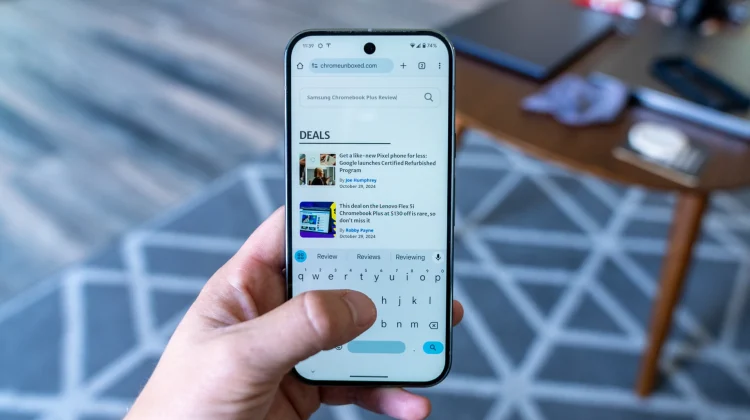
While Google Pixel phones often boast impressive display specifications, a persistent issue prevents a segment of users from comfortably using them: low-frequency PWM (Pulse Width Modulation) dimming for lowering screen brightness. Unlike many competitors who have moved to higher frequencies or alternative methods, Pixel devices (alongside iPhones and Samsung Galaxy phones) utilize PWM at rates (often around 240Hz or 480Hz) that can induce headaches, eye strain, and general discomfort for flicker-sensitive individuals. This has effectively locked some users out of the Pixel ecosystem, despite wanting to use Google’s hardware and software.
For years, attempts to get Google to address or even acknowledge this specific display characteristic were met with silence. Many other Android manufacturers, including OnePlus, Honor, Nothing, and Motorola, have recognized the problem and implemented solutions – ranging from significantly higher PWM frequencies (1920Hz and above) to user-selectable flicker-reduction modes or hybrid dimming techniques. These approaches prioritize user comfort alongside traditional display quality metrics.
Google is getting on board with low-flicker dimming
However, a significant development suggests Google’s stance may finally be shifting. Following an inquiry specifically about PWM dimming and potential flicker-reduction options after the Pixel 9a’s launch, Google provided a brief and unexpected statement. According to the original report from Android Central, a Google representative stated: “Google…indicated their teams are aware and investigating this. You can expect updates later this year.”
This marks a notable departure from Google’s previous silence on the PWM topic. Simply acknowledging that their teams are “aware and investigating” is the first step many affected users have been waiting for. The mention of potential “updates later this year” naturally aligns with the anticipated launch window for the Pixel 10 lineup, sparking hope that a solution could be integrated into the next generation of Pixel hardware or accompanying software updates.
What form might these updates take? It’s unlikely Google will completely abandon the PWM techniques that help achieve high brightness and color accuracy benchmarks. However, Android Central states that several possibilities exist based on industry trends:
- Flicker-Reduction Accessibility Mode: Google could follow Motorola’s lead by adding a software toggle that activates a DC-dimming-like mode, significantly reducing flicker, perhaps at the cost of some color accuracy at very low brightness levels.
- Hybrid Dimming: A common approach now is using DC-like dimming at higher brightness levels and switching to high-frequency PWM (well above the problematic low rates) when the screen gets dimmer.
- Increased Base PWM Frequency: While perhaps less likely if prioritizing existing metrics, Google could simply implement a much higher, less perceptible PWM frequency across all brightness levels, similar to what brands like Vivo have achieved (e.g., 2140Hz).
Regardless of the specific method, Google investigating solutions is positive news. It signals a potential move towards offering users more control and prioritizing visual comfort alongside benchmark performance. For users sensitive to PWM flicker who have previously avoided Pixels, this development offers a reason for cautious optimism looking towards the end of the year and the potential arrival of the Pixel 10.
Join Chrome Unboxed Plus
Introducing Chrome Unboxed Plus – our revamped membership community. Join today at just $2 / month to get access to our private Discord, exclusive giveaways, AMAs, an ad-free website, ad-free podcast experience and more.
Plus Monthly
$2/mo. after 7-day free trial
Pay monthly to support our independent coverage and get access to exclusive benefits.
Plus Annual
$20/yr. after 7-day free trial
Pay yearly to support our independent coverage and get access to exclusive benefits.
Our newsletters are also a great way to get connected. Subscribe here!
Click here to learn more and for membership FAQ

